


Rain Should Not Be a Source of Fear: The Reality of Ghana’s Flooding Crisis
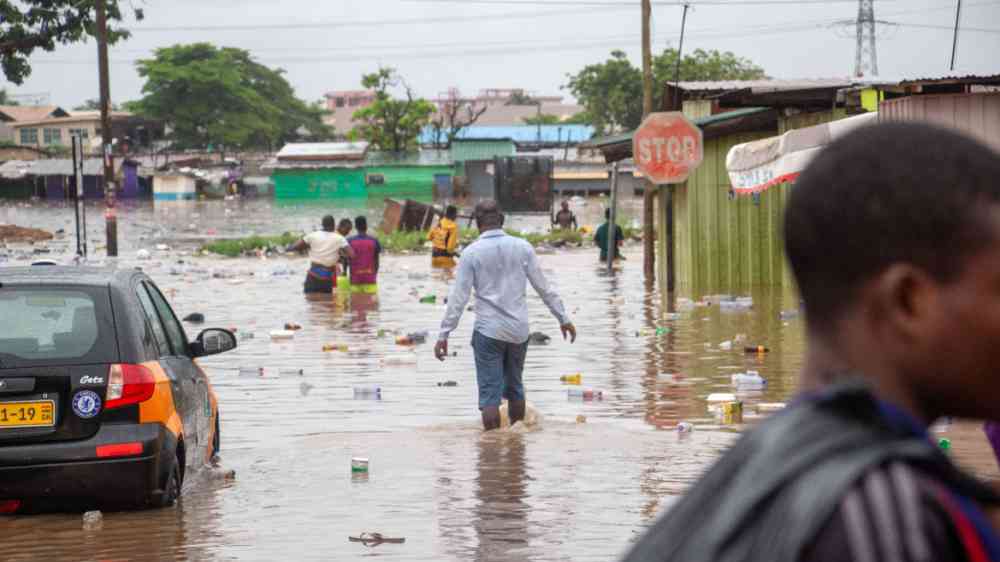
Rain should not be a source of fear : Yet, in Ghana, every major rainfall brings anxiety. Dark clouds gather, heavy showers begin, traffic grinds to a halt, homes become submerged, and daily life is disrupted.
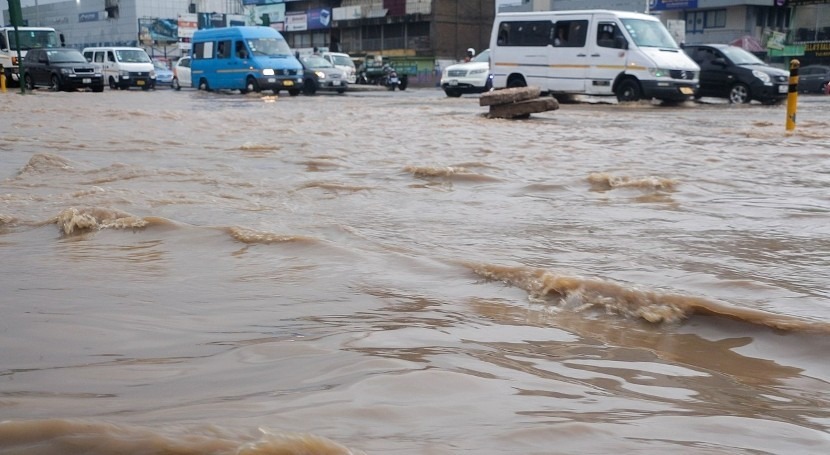
Traders watch years of investment wash away within hours. Families spend sleepless nights monitoring rising water levels. Children miss school. Some people lose their livelihoods, while others tragically lose their lives. As soon as the rains intensify, the nation enters emergency mode.
Why Preventable Disasters Make This Hard to Believe
Flooding in Ghana has become so frequent that many now regard it as an annual occurrence rather than a preventable crisis. Yet these floods are not solely natural disasters. They are often the visible consequences of inadequate systems, poor planning, weak enforcement of regulations, institutional neglect, and irresponsible human behaviour.
Historical Patterns
This challenge did not begin with any single government. It predates political administrations, campaign promises, and manifestos. It is a longstanding national problem that has evolved over decades and continues to affect communities across the country. The uncomfortable truth is that both leadership failures and societal attitudes have contributed to the recurring flooding crisis.
The Human Cost
Recent floods in Greater Accra displaced more than 3,000 people and claimed several lives. However, the problem extends far beyond recent headlines. Historical trends reveal a troubling pattern. Over the years, flooding in Ghana has displaced hundreds of thousands of people and cost the nation billions of cedis in economic losses. More concerning is the fact that many parts of Accra remain highly vulnerable despite years of public discussion and repeated disasters.
Poor Drainage and Waste Disposal
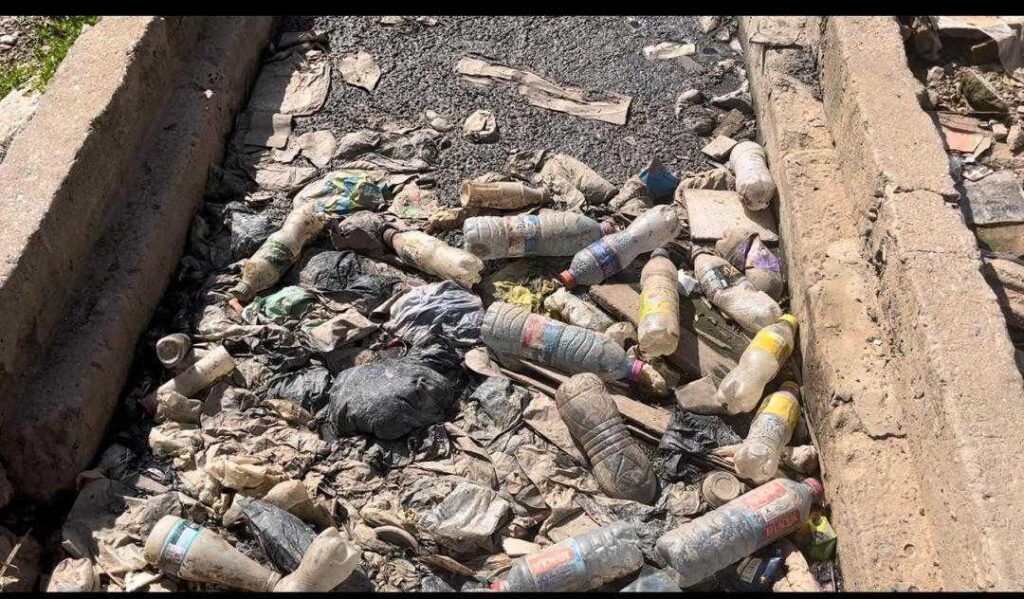
Across many communities, drains are routinely treated as dumping grounds for waste. Plastic materials are discarded carelessly into gutters with little consideration for where stormwater must eventually flow. Buildings continue to emerge on waterways.
Unauthorised structures appear almost overnight. Planning regulations are ignored until disaster strikes. In many places, the importance of proper drainage systems is remembered only after communities become submerged.
Institutional Failures
At the institutional level, enforcement has often been weak, inconsistent, selective, or politically inconvenient. Authorities sometimes observe violations occurring openly and fail to act until corrective measures become socially, politically, or financially difficult. Infrastructure projects are frequently reactive rather than preventive. Agencies responsible for environmental protection, drainage management, sanitation, and urban planning often operate without sustained urgency until lives and property are already at risk. As a result, the cycle of flooding continues.
Normalised Suffering
Perhaps one of the most unfortunate aspects of this recurring crisis is the way suffering has become normalized. When systems fail, public concern suddenly becomes highly visible. Ministers walk through floodwaters to demonstrate concern. Members of Parliament visit affected communities. Journalists enter flooded neighborhoods to document the crisis in real time. Cameras begin rolling, interviews are conducted, and social media fills with images, sympathy, and outrage.
Compassion After Disaster Is Not Enough
Compassion during disasters is important. Leadership visibility matters. Emergency response efforts are necessary and often save lives. However, a well-functioning system should not always wait for catastrophe before demonstrating concern. The true measure of governance is not how effectively leaders respond after floods occur. Rather, it is whether systems were strong enough to minimise the devastation before the rains arrived.
Collective Responsibility
Government alone, however, cannot shoulder the blame. A society that disregards sanitation, ignores planning regulations, politicizes enforcement, and turns a blind eye to indiscipline will inevitably pay the price. Floods expose more than blocked drains. They expose weaknesses in our collective attitudes and civic responsibility. The challenge before Ghana therefore requires honesty from both leaders and citizens.
Honest Action, Not Annual Speeches
We cannot continue constructing buildings on waterways and expect nature to be forgiving. Neither can we dispose of waste irresponsibly and later complain when drains become blocked. We also cannot resist lawful enforcement actions because of political affiliations or personal relationships and later demand accountability when disasters occur. At the same time, institutions must stop treating flooding as a seasonal inconvenience and recognise it for what it truly is: a national emergency requiring long-term strategic planning and sustained action. What Ghana needs is practical reform, not annual speeches.
Strengthen Enforcement
Planning and environmental regulations must be enforced consistently and without political interference. Unauthorised structures on waterways should not be tolerated simply because enforcement may appear unpopular.
Prioritise Preventive Maintenance
Metropolitan, Municipal, and District Assemblies must prioritise regular drainage maintenance throughout the year rather than waiting for emergencies before undertaking desilting exercises during peak rainy periods. Rain should not be a source of fear : preventive maintenance is what transforms that ideal into everyday reality.
Invest in Modern Infrastructure
There must be sustained national investment in modern drainage infrastructure, flood forecasting systems, and climate-resilient urban planning. Many of Ghana’s cities have outgrown drainage systems that were designed decades ago and are no longer capable of handling current population and development pressures.
Promote Civic Responsibility
A stronger culture of civic responsibility must be cultivated across the country. Schools, religious institutions, media organisations, and community leaders should intensify public education on sanitation, waste disposal, and environmental stewardship. A clean and resilient environment cannot be achieved through government efforts alone.
From Environmental Issue to National Discipline
Ultimately, flooding in Ghana is no longer merely an environmental issue. It is a governance issue, a planning issue, a cultural issue, and a national discipline issue. And perhaps that is the most difficult truth of all.
Predictable Disasters
When systems fail repeatedly, disasters stop appearing accidental. They begin to look predictable. The real tragedy is not that flooding occurs every year. The real tragedy is that we have become better at responding to floods than preventing them. Rain should not be a source of fear : but a nation that becomes comfortable with avoidable suffering risks becoming comfortable with failure itself.
A National Choice
Ghana must therefore make a national choice. Either we build institutions and systems strong enough to protect lives, property, and human dignity, or we continue normalising preventable disasters until tragedy becomes part of our national identity.
The Time Has Come
The time has come for leadership to become proactive, for institutions to become courageous, and for citizens to become responsible. If flooding continues to be treated as an annual inconvenience rather than a national emergency, we should not be surprised when the waters continue to rise while accountability continues to sink. Achieving that simple truth is the greatest test of our collective will.
ABOUT THE AUTHOR
Samuel Kofi Yeboah : is a Governance and Communications Professional, Governance Researcher, and Public Affairs Analyst with interests in political communication, corporate governance, institutional leadership, and national development. He holds an MBA in Corporate Governance, an MA in Strategic Public Relations Management, a BA in Strategic Communications, and is currently pursuing an LL.B.

