

UK Imposes ‘Emergency Brake’ on Student Visas for Four Nations Amid Asylum Surge
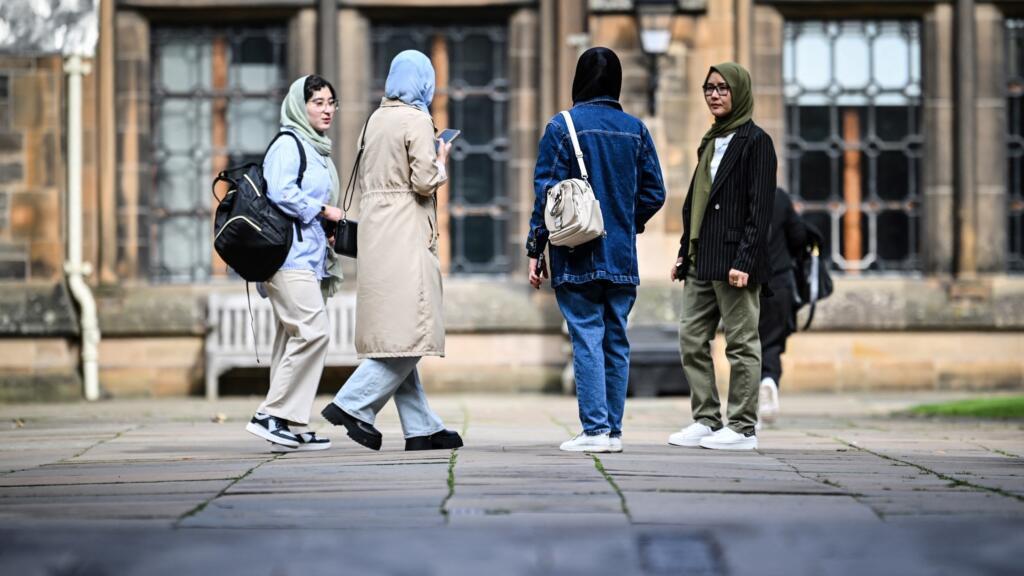
The UK Home Office has triggered an “emergency brake” on study visas for four nations. The nations are Afghanistan, Cameroon, Myanmar, and Sudan, effectively halting new student entries from these countries.
Officials cite a sharp rise in individuals using student visas as a legal route to enter Britain only to subsequently claim asylum.
The government also confirms it will suspend skilled work visas for Afghan nationals as part of this wider crackdown.
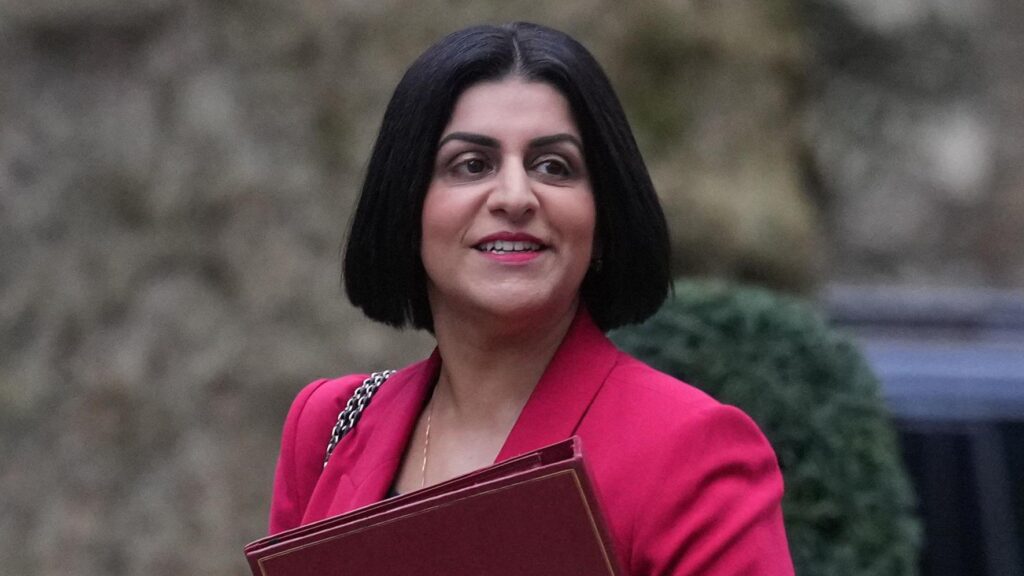
Home Secretary Shabana Mahmood confirmed the government’s stance.
“I am taking the unprecedented decision to refuse visas for those nationals seeking to exploit our generosity,” she stated, framing the move as a necessary step to protect the integrity of the immigration system.
Why the Government Triggered the Brake
The Home Office reports that since 2021, nearly 135,000 people have legally entered the UK on visas before later lodging asylum claims. While the department claims it cut student asylum claims by 20% in 2025, it argues that “further action” remains critical, as study visa holders still account for 13% of all asylum applications in the system.
The decision targets four specific nations due to a dramatic statistical spike. According to government data, the number of asylum applications from students originating from Afghanistan, Cameroon, Sudan, and Myanmar “rocketed” by more than 470% between 2021 and 2025.
In its official statement, the Home Office explained the rationale:
“An ’emergency brake’ on visas has been imposed for the first time on nationals from four countries following a surge in asylum claims from legal routes.”
A Broader Shift in Asylum Policy
This visa suspension arrives just one day after the UK implemented sweeping reforms to its asylum rules, signaling a major shift in how the country handles protection claims.
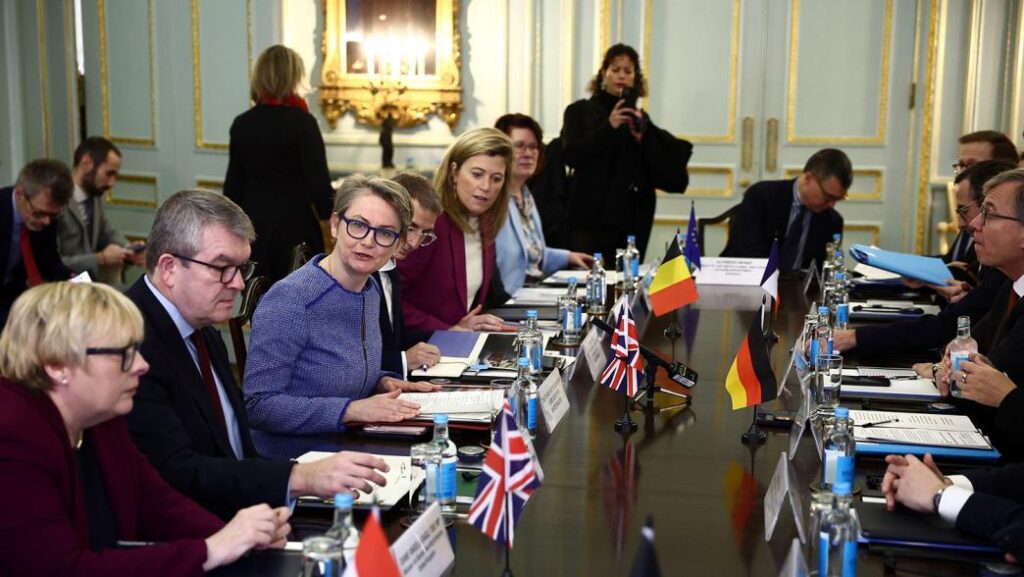
Under the new regulations, which take effect immediately:
-
Regular Reviews: The Home Office will now review the refugee status of adults and their accompanying children every 30 months.
-
Return Policy: If the Home Office deems a refugee’s country of origin safe, officials will expect those individuals to return home.
-
Child Exceptions: Unaccompanied children will retain a five-year leave to remain while the government develops a long-term policy for minors.
This replaces the previous system, where those granted refugee status received five years of leave and could subsequently apply for indefinite leave to remain, setting them on a path to citizenship. Authorities confirm they will assess asylum seekers already in the country under the old rules.
The UK government has modeled this policy shift on Denmark’s system, which operates one of the toughest asylum and immigration frameworks in Europe. Since 2015, Denmark has subjected refugee status to review every two years.
The Political Landscape
The tightening of immigration rules comes against a backdrop of intense political pressure. Migration remains a dominant issue in British politics. The hard-right Reform UK party are gaining ground in opinion polls on the back of an aggressive anti-migration platform.
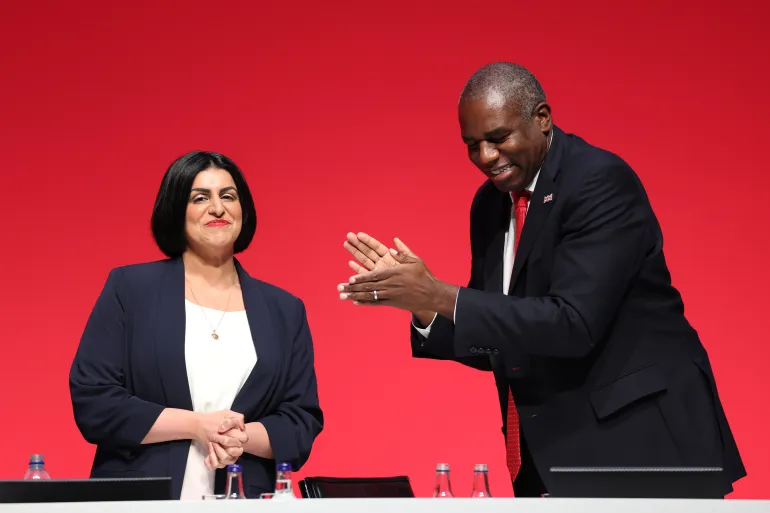
By implementing these restrictions, the Labour government aims to demonstrate control over borders and close what it perceives as a loophole in the student visa system, attempting to balance economic migration needs with public concern over asylum numbers.

