
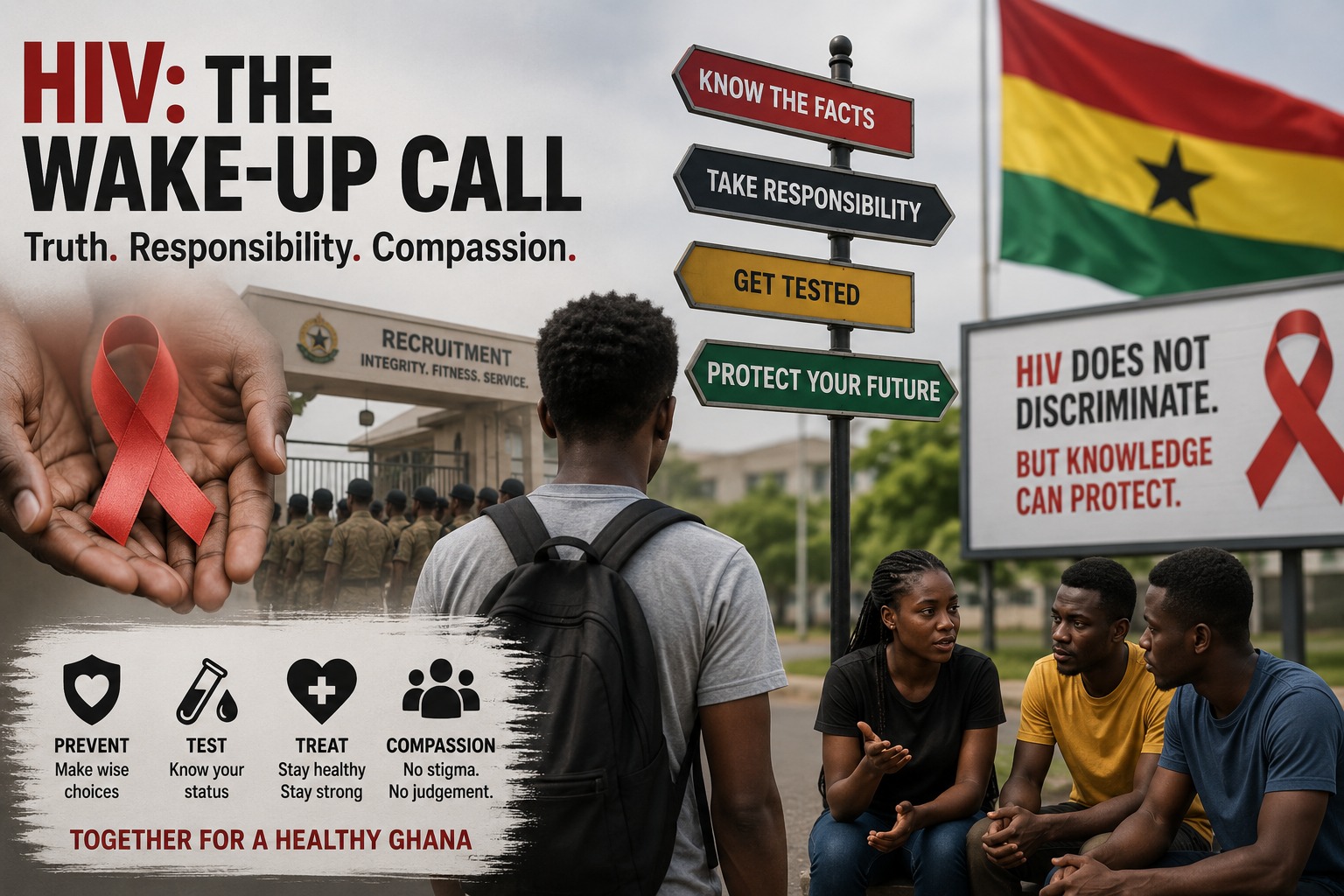
THE 1,300 WAKE-UP CALL: GHANA MUST CONFRONT HIV WITH TRUTH, RESPONSIBILITY AND COMPASSION

By: Rev. Immanuel Wiafe
In Case You Missed This…
A cook once rescued a dying bush cat. He fed it. He sheltered it. He believed kindness had changed its nature.
Then one afternoon, he returned home to find nothing but feathers where his finest hen once stood.
Whether this story is folklore or simply a moral illustration is beside the point. Its lesson is timeless: ignoring uncomfortable realities does not change them. Problems left unattended often return with greater consequences.
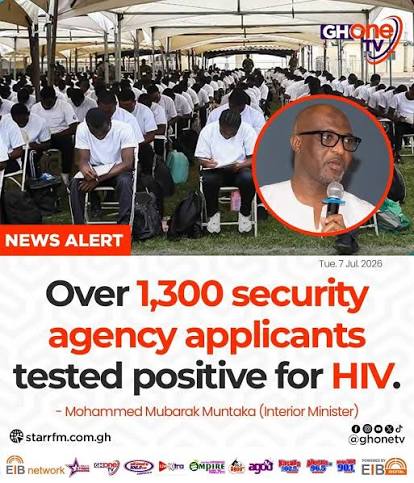
That is why the recent announcement by the Acting Minister for Defence regarding the reported disqualification of about 1,300 applicants to Ghana’s security services after they allegedly tested positive for HIV has generated intense public discussion. While the specific figures and recruitment policies may continue to attract debate and clarification from the appropriate authorities, the broader issue demands serious national reflection.
The question before us is simple: Should we talk about it, or should we pretend it never happened?
The Answer Is Equally Simple.
We must talk about it. Not to shame anyone. Not to stigmatise people living with HIV. Not to spread fear or misinformation.
Rather, we must have an honest, evidence-based national conversation about HIV, personal responsibility, public health, and the future of Ghana’s young population.
For many years, Ghana led one of Africa’s most vigorous public education campaigns against HIV and AIDS. Radio jingles, television advertisements, school outreach programmes, church seminars, market campaigns and community health education consistently reminded Ghanaians about prevention, testing and treatment.
Today, That Urgency Appears To Have Faded.
Many young people have grown up without experiencing the intensity of those awareness campaigns. HIV is no longer discussed as frequently as it once was, creating the dangerous impression among some that the disease has disappeared.
It has not.
The virus remains a significant public health concern, both globally and here in Ghana.
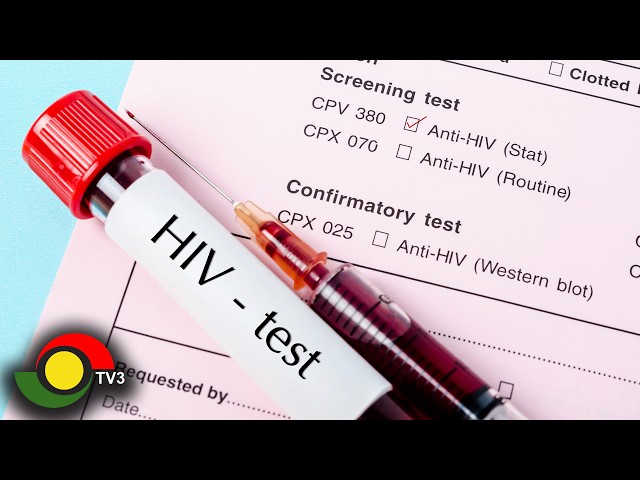
If the reported number of applicants who tested positive is accurate, then it should serve as more than just another news headline. It should become a wake-up call for government institutions, educational authorities, healthcare professionals, parents, religious bodies and the youth themselves.
The Reality Is That HIV Continues To Affect Thousands Of Lives Every Year.
Scientific evidence consistently shows that unprotected sexual intercourse remains one of the leading routes of HIV transmission worldwide. This is why responsible sexual behaviour continues to occupy a central place in HIV prevention campaigns.
However, honesty also requires us to recognise that HIV is not transmitted through sexual intercourse alone. The virus can also spread through contaminated blood transfusions, the sharing of infected needles or sharp instruments, and from an HIV-positive mother to her child during pregnancy, childbirth or breastfeeding if appropriate medical interventions are not available.
These facts matter because effective public education must always be built on truth rather than assumptions.
Unfortunately, conversations about HIV often become trapped between two unhealthy extremes.
One group avoids discussing it altogether for fear of offending people.
Another group speaks about it only to condemn and judge those affected.
Neither approach helps. Silence allows ignorance to grow. Condemnation drives people away from testing, counselling and treatment.
What Ghana Needs Is Mature, Compassionate And Fact-based Education.
Young people, in particular, must understand that every decision has consequences. Abstinence remains the surest way of preventing sexually transmitted HIV infection. Faithfulness within mutually committed relationships significantly reduces risk. Those who are sexually active should have access to accurate information about prevention, regular testing and healthcare services.
Equally important is the need for individuals to know their HIV status. Early diagnosis enables people living with HIV to begin treatment promptly, improving their health and greatly reducing the likelihood of transmitting the virus to others.
Medical science has made remarkable progress over the past three decades. HIV is no longer the automatic death sentence it once was. Thanks to antiretroviral therapy, many people living with HIV now enjoy long, healthy and productive lives. They work, raise families, contribute to society and pursue successful careers.
This progress, however, should never be mistaken for permission to become careless.
Treatment is not a substitute for prevention.
The old saying remains true: prevention is better than cure.
Parents also have an enormous responsibility.
Far too many families avoid conversations about sexuality and reproductive health because they consider them embarrassing or inappropriate. Yet the internet, social media and peer influence are already educating children often with misleading or harmful information.
If parents remain silent, someone else will fill that vacuum.
Schools must equally strengthen comprehensive health education that equips students with accurate scientific information while encouraging responsible decision-making.
Religious Institutions Cannot Remain Spectators Either.
Churches, mosques and other faith communities possess enormous influence over millions of young people every week. Beyond preaching moral values, they must continue creating safe spaces where difficult subjects such as HIV, sexuality, addiction and healthy relationships can be discussed with both conviction and compassion.
The Responsibility Also Rests With Government.
Public awareness campaigns must be revitalised. Community outreach, voluntary testing services, counselling programmes and access to treatment should remain national priorities. HIV prevention cannot become yesterday’s campaign.
Every generation requires fresh education because every generation faces different social realities.
Beyond the public health implications lies another equally important issue.
We must reject stigma.
Testing positive for HIV does not make anyone less human.
People living with HIV deserve dignity, respect, confidentiality and equal treatment. They are fathers and mothers, sons and daughters, professionals, students, entrepreneurs and citizens whose rights are protected under the law.
Discrimination discourages people from getting tested. Fear of rejection causes many to hide their status.
When people avoid testing because they fear public humiliation, everyone becomes more vulnerable.
Compassion and accountability are not enemies. They must work together.
As we discuss the reported disqualification of the applicants, we must therefore distinguish between legitimate occupational medical standards, where they lawfully exist, and prejudice against people living with HIV. Public debate should be informed by law, science and respect for human dignity rather than emotion or misinformation.
Ultimately, the significance of this story extends far beyond recruitment into the security services.
It speaks to the health of our nation. It speaks to the choices our young people are making. It speaks to the quality of education we provide. It speaks to the role of parents. It speaks to the responsibility of faith leaders. It speaks to government policy.
Above all, it reminds us that difficult conversations are often the most necessary ones.
The opening illustration about the bush cat is memorable because it warns against ignoring reality. Likewise, Ghana cannot afford to pretend that HIV is no longer an issue simply because public discussion has diminished.
Diseases do not disappear because society stops talking about them. Neither does ignorance produce healthier communities.
Whether the reported figure of 1,200 remains exactly as announced or is later revised through official clarification, the larger lesson remains unchanged. Ghana must renew its commitment to HIV education, responsible behaviour, voluntary testing, accessible treatment and the elimination of stigma.
This Is Not Merely A Medical Issue.
It is an educational issue. It is a family issue. It is a moral issue. It is an economic issue. It is a national development issue.
Our response today will shape the health, productivity and future of tomorrow’s Ghana.
The conversation may be uncomfortable. It may challenge our assumptions. It may expose uncomfortable truths.
But history repeatedly demonstrates that societies make progress not by avoiding difficult conversations, but by confronting them with honesty, compassion and courage.
The time to talk is now. And the time to act is now.

