

Eight Nigerians Face Sanctions Over Terror Links and Cybercrime
The United States has imposed sanctions on eight Nigerian nationals, freezing their assets and prohibiting American citizens from engaging in any transactions with them.
The action, announced by the U.S. Department of the Treasury’s Office of Foreign Assets Control (OFAC) on February 10, 2026, targets individuals with alleged links to terrorist organizations Boko Haram and the Islamic State of Iraq and the Levant (ISIL), as well as cybercrime activities.
What the Sanctions Entail
The updated “Specially Designated Nationals and Blocked Persons List” (SDN List) blocks all property and financial interests these individuals hold within U.S. jurisdiction.
The measures, issued pursuant to Executive Order 13224, which targets terrorists and their supporters, prohibit Americans from engaging in any transactions with the designated individuals. Those who attempt to violate these sanctions may face enforcement actions from OFAC.
Convicted Boko Haram Financier Named
Among those sanctioned is Salih Yusuf Adamu, also known as Salihu Yusuf, who was previously convicted in the United Arab Emirates in 2022. Adamu was among six Nigerians found guilty of establishing a Boko Haram fundraising cell and attempting to transfer $782,000 from Dubai to Nigeria.
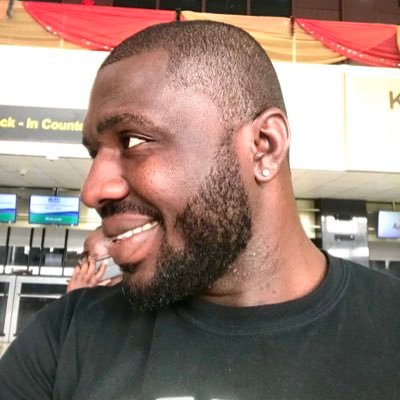
His 2022 conviction resulted in a life sentence from the UAE Federal Court of Appeals, highlighting the international effort to disrupt the financial networks supporting terrorism in West Africa.
Al-Barnawi Family Members Targeted
The sanctions also target several members of the Al-Barnawi family, who are reportedly associated with Boko Haram’s leadership. Abu Abdullah ibn Umar Al-Barnawi, known as Ba Idrisa, was designated under terrorism-related sanctions.
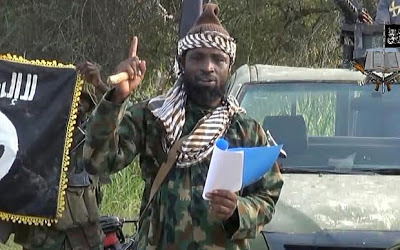
According to the Counter Extremism Project, Ba Idrisa was a former leader of the Islamic State in West Africa Province (ISWAP), a splinter group of Boko Haram, and was designated as a Specially Designated Global Terrorist by the U.S. Department of State in September 2019.
Abu Musab Al-Barnawi, identified as a Boko Haram leader, and Khaled (or Khalid) Al-Barnawi were also named in the publication, signaling continued U.S. pressure on the network’s upper echelons.
Other Individuals Designated for Terror and Cyber Links
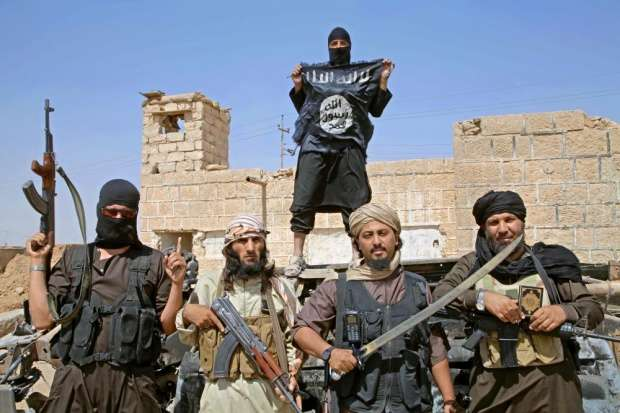
Additionally, Abu Bakr ibn Muhammad ibn Ali Al-Mainuki, also known as Abu-Bilal Al-Minuki, was designated for alleged ties to ISIL. Ibrahim Ali Alhassan, reportedly residing in Abu Dhabi, was linked to Boko Haram and had previously been sanctioned in 2022 for his role in the UAE fundraising cell.
In a separate action under the CYBER2 program, which targets individuals involved in significant malicious cyber-enabled activities, Nnamdi Orson Benson was designated for alleged online criminal activity.
A Continued Crackdown on Terror Financing
The United States designated Boko Haram a foreign terrorist organization in 2013. As a result of these latest designations, all property and interests in property of the listed individuals within U.S. jurisdiction are blocked, and U.S. persons are generally prohibited from engaging in any transactions with them.
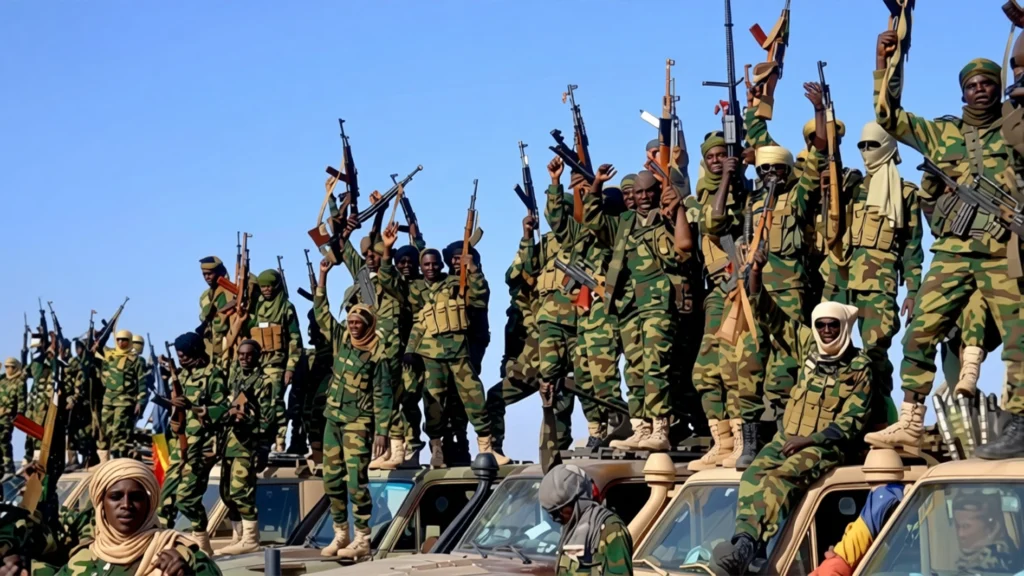
This action represents the latest step in Washington’s ongoing effort to choke off funding and support for extremist groups operating in the Lake Chad region.

