


The United States will indefinitely suspend immigrant visa processing for 75 countries starting January 21, 2026.

Consequently, applicants from affected nations—including Ghana, Nigeria, Somalia, Russia, Iran, Afghanistan, and Brazil—will face a comprehensive pause as the State Department reassesses its screening procedures.
A Sweeping Policy Shift Targets Likely “Public Charges”
According to a Fox News report, this decisive action aims to crack down on applicants deemed likely to become a public charge.
A State Department memo, first seen by Fox News Digital, directs consular officers to refuse visas under existing law. Subsequently, the department will undertake a full reassessment of its screening and vetting protocols.
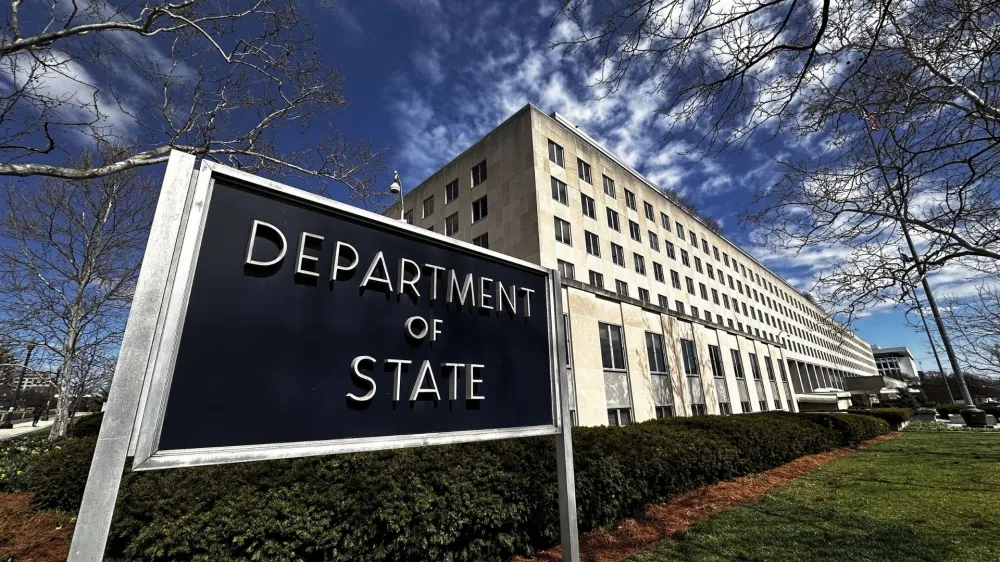
“The State Department will use its long-standing authority to deem ineligible potential immigrants who would become a public charge on the United States and exploit the generosity of the American people,” stated State Department spokesperson Tommy Piggott.
Which Countries Are Affected?
The expansive list spans multiple continents. Notably, it includes Somalia, Russia, Afghanistan, Brazil, Iran, Iraq, Egypt, Nigeria, Thailand, and Yemen.
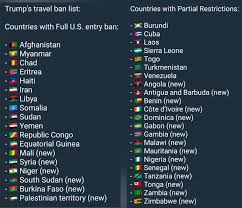
Furthermore, the full roster comprises nations from Albania and Armenia to Uzbekistan and Zambia. Importantly, the pause begins on January 21, 2026, and will continue indefinitely until the department completes its review.
Behind the Decision: Fraud Concerns and Stricter Screening
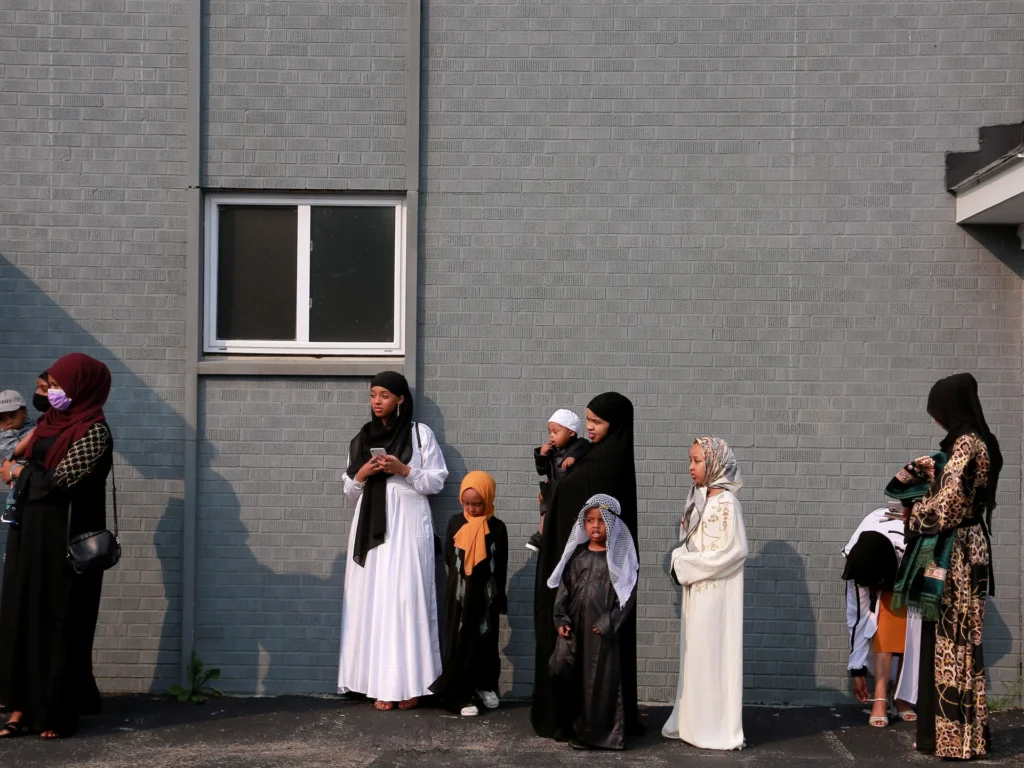
This policy shift follows heightened scrutiny, particularly regarding certain countries. For instance, Somalia has drawn significant federal attention after a sweeping fraud scandal in Minnesota uncovered massive abuse of taxpayer-funded benefits. Many individuals involved were Somali nationals or Somali-Americans.
Moreover, in November 2025, the State Department issued global guidance to enforce stringent new screening rules under the “public charge” provision.
As a result, consular officers must now deny visas to applicants they judge likely to rely on public benefits.
Officers will weigh factors such as health, age, English proficiency, finances, and potential need for long-term medical care.
Therefore, older or overweight applicants, or those with past use of certain benefits, could face denial.
The Evolution of the “Public Charge” Rule
While the public charge provision has existed for decades, its enforcement has varied widely. Historically, consular officers held broad discretion. However, this new directive marks a significant tightening.
Previously, President Donald Trump expanded the definition in 2019 to include a wider range of public benefits. Although courts blocked portions of this expansion, the Biden administration later rescinded the rule.
In 2022, the Biden administration had limited the scope primarily to cash assistance and long-term institutional care, excluding programs like SNAP (food stamps), Medicaid, and housing vouchers.
What Happens Next?
According to the State Department, exceptions to this visa pause will be “very limited.” Specifically, they will only be granted after an applicant has thoroughly cleared public charge considerations.
“Immigration from these 75 countries will be paused while the State Department reassesses immigration processing procedures to prevent the entry of foreign nationals who would take welfare and public benefits,” Piggott’s statement concluded.
In summary, this indefinite suspension represents a substantial change in U.S. immigration vetting.
Ultimately, its impact will be felt by thousands of prospective immigrants worldwide as the government seeks to enforce a stricter interpretation of longstanding law

