

Children Are Watching Pornographe : Ghana’s ambitious initiative to provide free tablets for students has hit a controversial snag.
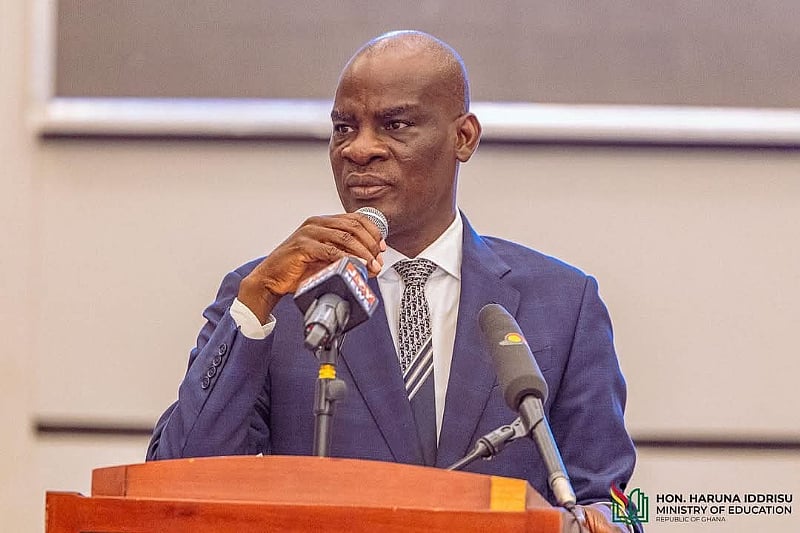
Recently, the Minister of Education, Haruna Idrissu, publicly stated that numerous Senior High School (SHS) students are misusing the government-issued devices.
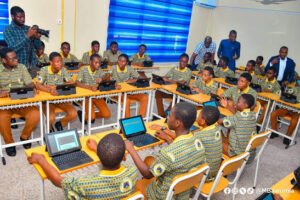
Instead of leveraging the technology for academic advancement, he reports that a significant number are diverting the tablets for students to non-educational purposes, most notably accessing pornography.
Minister Raises Alarm Over Misuse of Educational Tablets
Minister Idrissu did not mince words when describing the situation. He directly asserted that this misuse is actively detrimental to the students’ educational progress.
Consequently, a program designed to bridge the digital divide and enhance learning now faces a critical challenge.
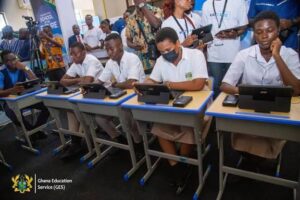
The minister’s comments highlight a growing tension between providing open access to technology and ensuring it serves its intended purpose.
This issue, therefore, strikes at the heart of the promise behind distributing free tablets for students nationwide.
From Learning Aid to Entertainment Portal
Transitioning from a traditional classroom to a digitally-enabled one presents inherent risks. The very connectivity that allows students to access e-books and research materials also opens portals to unlimited entertainment and inappropriate content.
Specifically, the minister identified pornography consumption as a primary distraction. This behavior, he argues, directly undermines the investment in tablets for students, diverting focus from studies and potentially harming developmental well-being.
Ultimately, the devices risk becoming classroom distractions rather than catalysts for academic growth.
Balancing Access with Accountability for Digital Progress
In response to this growing concern, the Ministry of Education must now navigate a complex path forward. First, the government cannot simply revoke the free tablets for students, as the digital literacy goals remain vital.
Instead, authorities will likely need to strengthen digital safeguards and usage policies. For example, installing more robust content-filtering software and conducting digital citizenship workshops are potential next steps.
Simultaneously, educators and parents must collaborate to instill a sense of responsibility in students. By doing so, Ghana can recalibrate the program to ensure these powerful tools fulfill their original mission: to empower, not hinder, the next generation of learners.
The success of providing free tablets for students now hinges not just on distribution, but on effective governance and guidance.
The minister’s stark warning serves as a crucial reminder that technology in education requires a framework of accountability to truly unlock its potential.

