


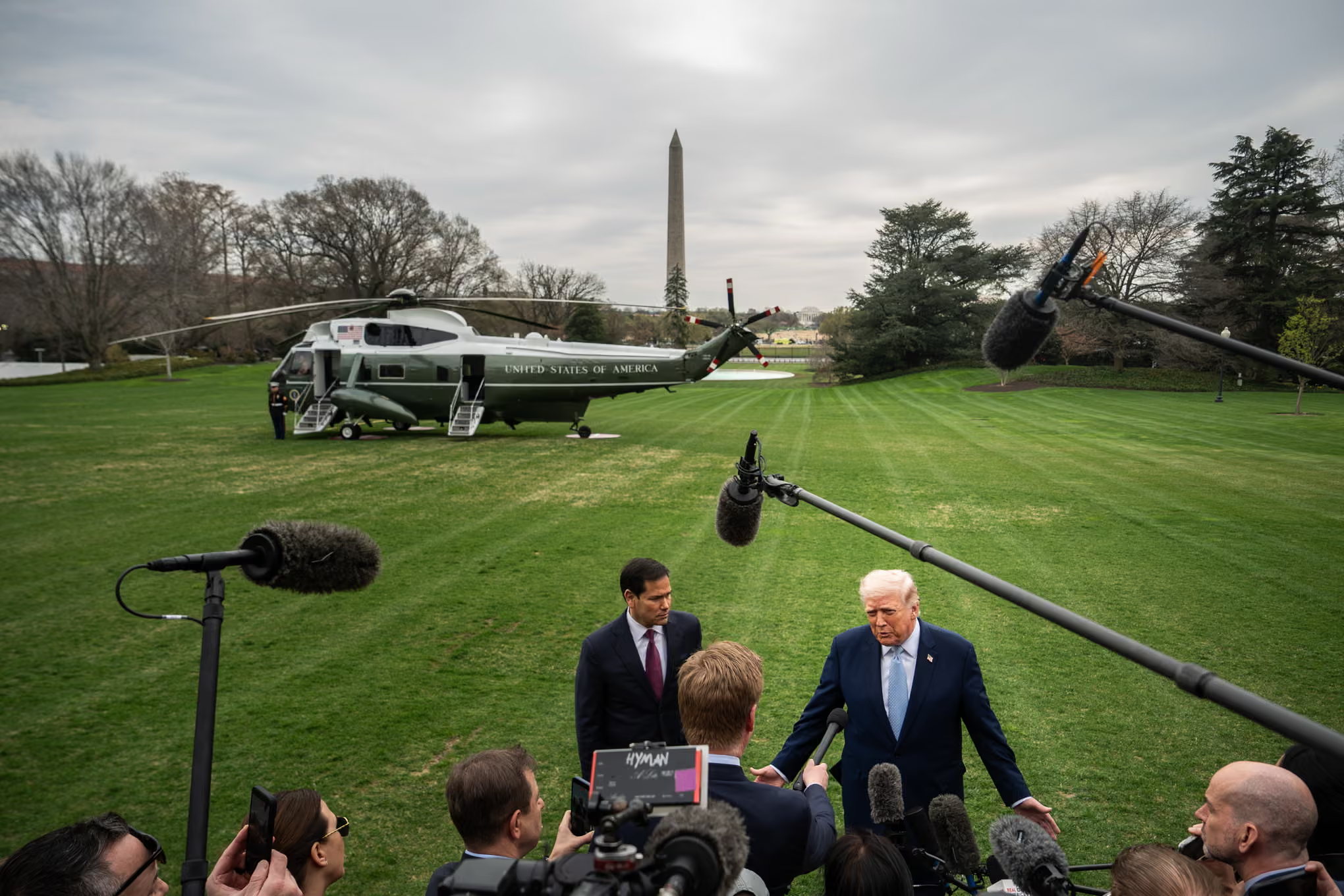
Trump Issues 48-Hour Ultimatum To Iran
The standoff in the Strait of Hormuz intensifies as the U.S. president warns of “obliteration” while Iran launches its most destructive attack on Israel to date.
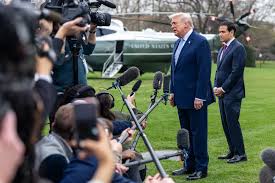
Tensions in the Middle East have reached a critical boiling point. President Donald Trump has issued a stark 48-hour ultimatum to Iran: reopen the Strait of Hormuz to shipping or face the complete destruction of the country’s energy infrastructure.
This dramatic escalation comes on the same day Tehran launched its most destructive attack yet on Israel, shattering a brief period of relative calm and pushing the region to the brink of a full-scale war.
An Ultimatum Delivered
The president delivered the threat via a post on Truth Social, giving Iran until 23:44 GMT on Monday to comply. He vowed that the United States would “hit and obliterate” Iranian power plants, adding a chilling detail: “starting with the biggest one first.”
The ultimatum arrives just one day after Trump suggested he was considering “winding down” military operations following three weeks of intense conflict.
Crucially, the key oil passageway remains effectively closed. As the deadline looms, thousands of additional U.S. Marines are heading to the Middle East, signaling a significant buildup for potential military action.
Tehran Fires Back
Iran’s response was swift and defiant. Foreign Minister Abbas Araghchi stated that Tehran has only restricted vessels from countries actively involved in attacks against Iran, claiming that others staying out of the conflict will receive assistance.
Furthermore, according to the Fars news agency, Iran’s army issued a direct counter-threat: it will target energy and desalination infrastructure “belonging to the US and the regime in the region.”
The Attack That Changed the Calculus
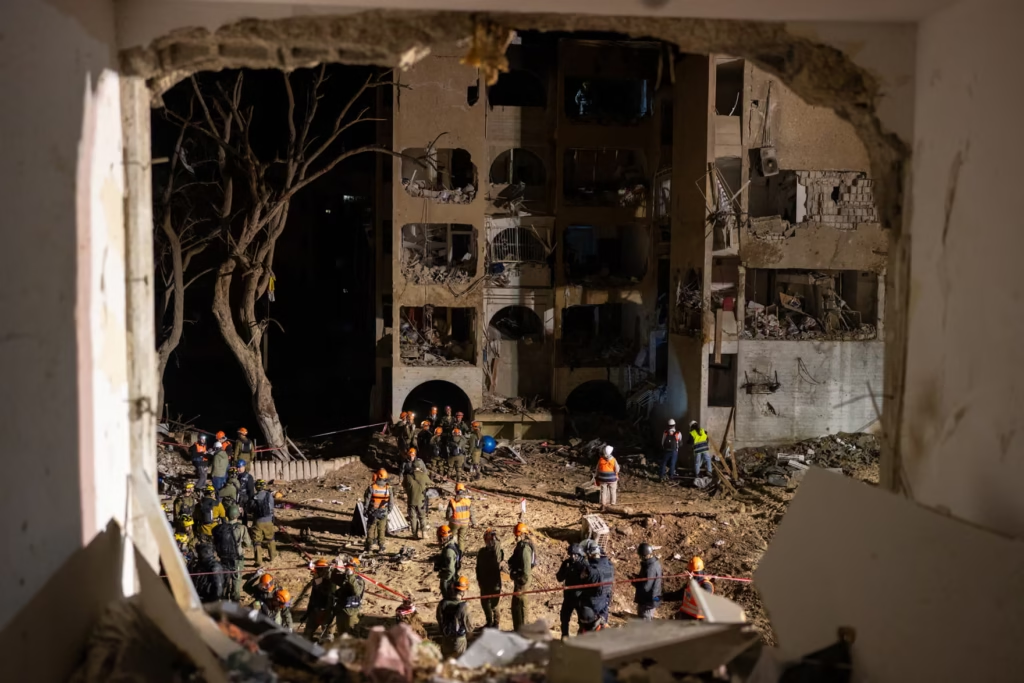
Trump’s ultimatum came hours after a significant escalation on the battlefield. Two Iranian missiles struck southern Israel, injuring more than 100 people in what officials describe as the most destructive attack since the war began.
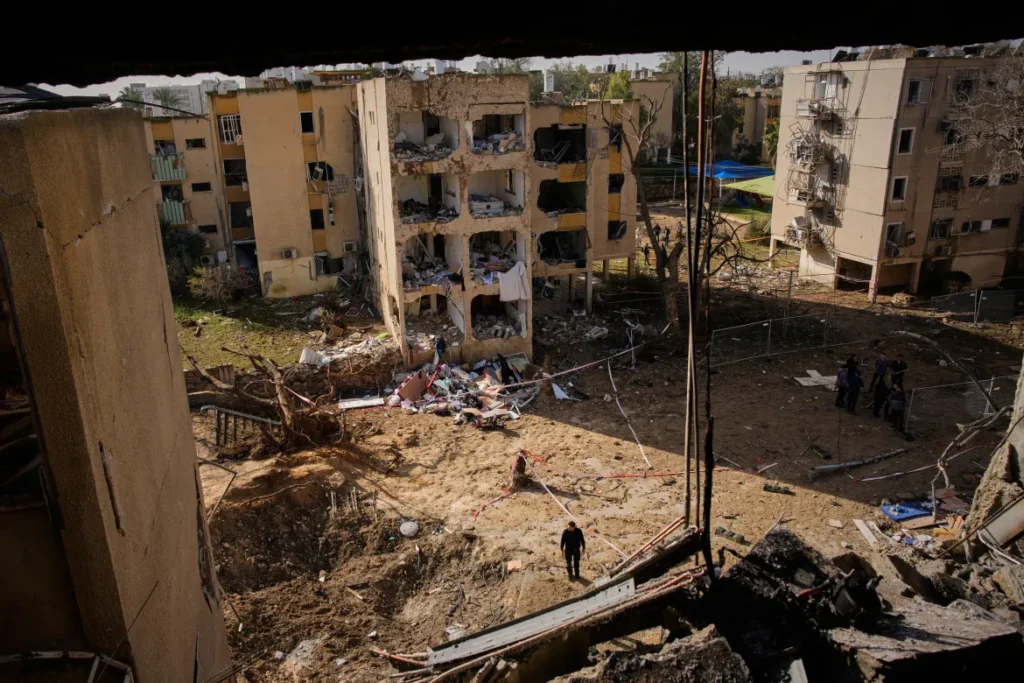
Moreover, these missiles penetrated Israel’s renowned missile defense systems. The impact tore open the facades of residential buildings and carved deep craters into the ground. First responders reported that 84 people were injured in the town of Arad, with 10 in serious condition.
Earlier, 33 people sustained wounds in nearby Dimona. AFPTV footage from the scene showed a large hole gouged into the ground next to piles of rubble and twisted metal.
Dimona holds particular strategic significance; it hosts a facility widely believed to be the site of the Middle East’s only nuclear arsenal, though Israel has never officially admitted to possessing nuclear weapons.
Vows of Retaliation
In response, Israeli Prime Minister Benjamin Netanyahu vowed to retaliate “on all fronts.” The Israeli military confirmed a “direct missile hit on a building” in Dimona, with casualties including a 10-year-old boy in serious condition from shrapnel wounds.
Consequently, Netanyahu ordered a swift response. Hours later, the Israeli military launched a wave of strikes on Tehran.
Iran claimed the targeting of Dimona was retaliation for Israeli strikes on its Natanz nuclear facility. The Islamic Revolutionary Guard Corps (IRGC) stated that its forces also targeted other southern Israeli towns, as well as military sites in Kuwait and the UAE.
Fears of a Nuclear Accident
The strikes near nuclear facilities have raised alarm bells internationally. After the Natanz attack, the UN nuclear watchdog chief, Rafael Grossi, reiterated his call for “military restraint to avoid any risk of a nuclear accident.”
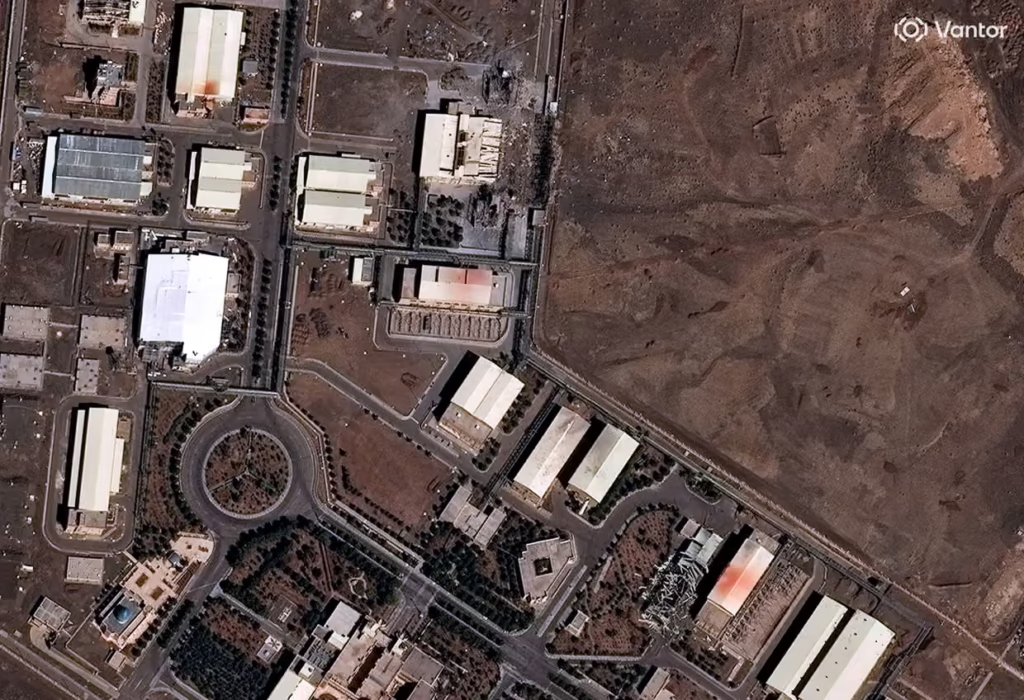
The Natanz facility, which hosts underground centrifuges used to enrich uranium for Iran’s disputed nuclear programme, sustained damage in the June 2025 war.
However, the Israeli military denied responsibility for the Natanz strike. Instead, it claimed to have struck a facility at a Tehran university, alleging it was being used to develop nuclear weapon components for Iran’s ballistic missile program.
A Global Economic Threat
The conflict has effectively choked the Strait of Hormuz, a vital waterway that carries a fifth of the global crude oil trade in peacetime.
As a result, the standoff has sent crude oil prices soaring. North Sea Brent crude now trades above $105 a barrel, turning long-term consequences for the global economy into an acute concern.
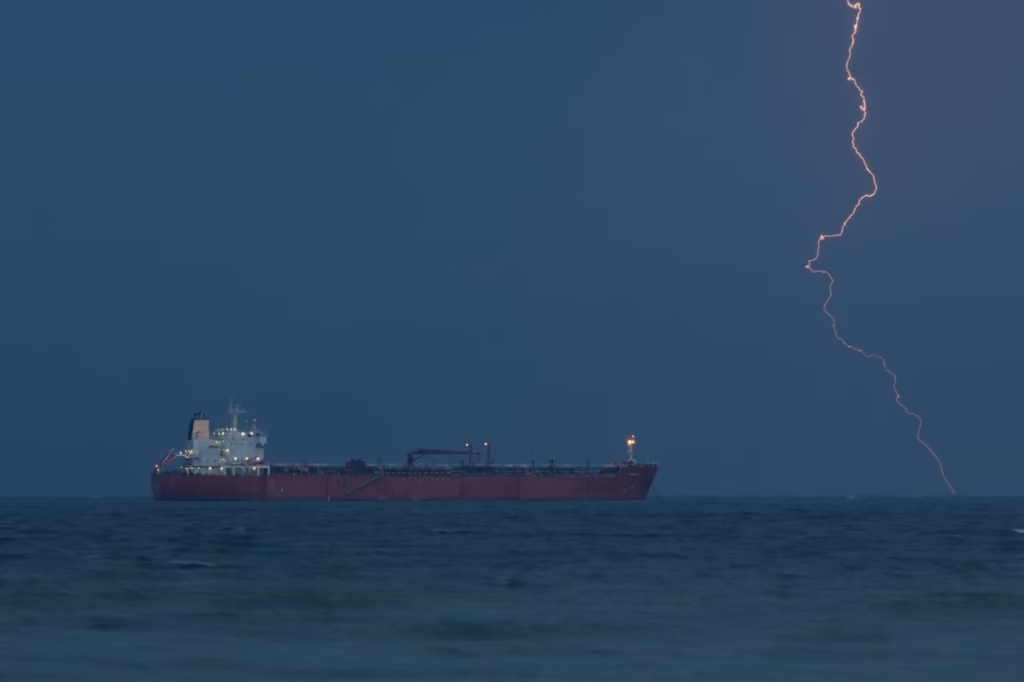
In response, leaders from several countries, including the UK, France, Italy, Germany, South Korea, Australia, the UAE, and Bahrain, issued a joint statement condemning the “de facto closure of the strait of Hormuz by Iranian forces.”
They expressed their readiness “to contribute to appropriate efforts to ensure safe passage through the Strait.”
President Trump has since slammed NATO allies as “cowards,” urging them to take more decisive action to secure the waterway.
Japan Weighs Military Deployment
The geopolitical ripple effects extend to Asia. On Sunday, Japan’s Foreign Minister Toshimitsu Motegi suggested that Tokyo could consider deploying its military for minesweeping operations in the strait, but only if a ceasefire is reached first.
“If there were to be a complete ceasefire, hypothetically speaking, then things like minesweeping could come up,” Motegi stated on Japanese TV.
Because Japan receives about 90% of its oil shipments via the strait, the closure represents an existential economic threat. While Japan’s postwar pacifist constitution limits its military actions, 2015 security legislation allows the use of self-defence forces overseas if an attack on a close security partner threatens Japan’s survival.
The Road Ahead
With the 48-hour clock ticking and Israel vowing to continue striking Iran, the region faces a volatile path forward.
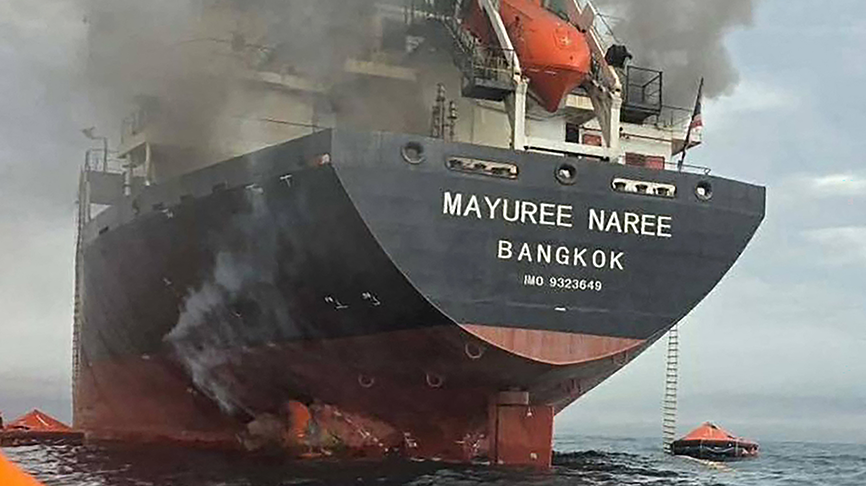
The closure of the strait continues into its fourth week, and with both sides trading direct threats against vital infrastructure, the international community now watches anxiously to see whether diplomacy can halt the momentum toward a devastating regional war.

