


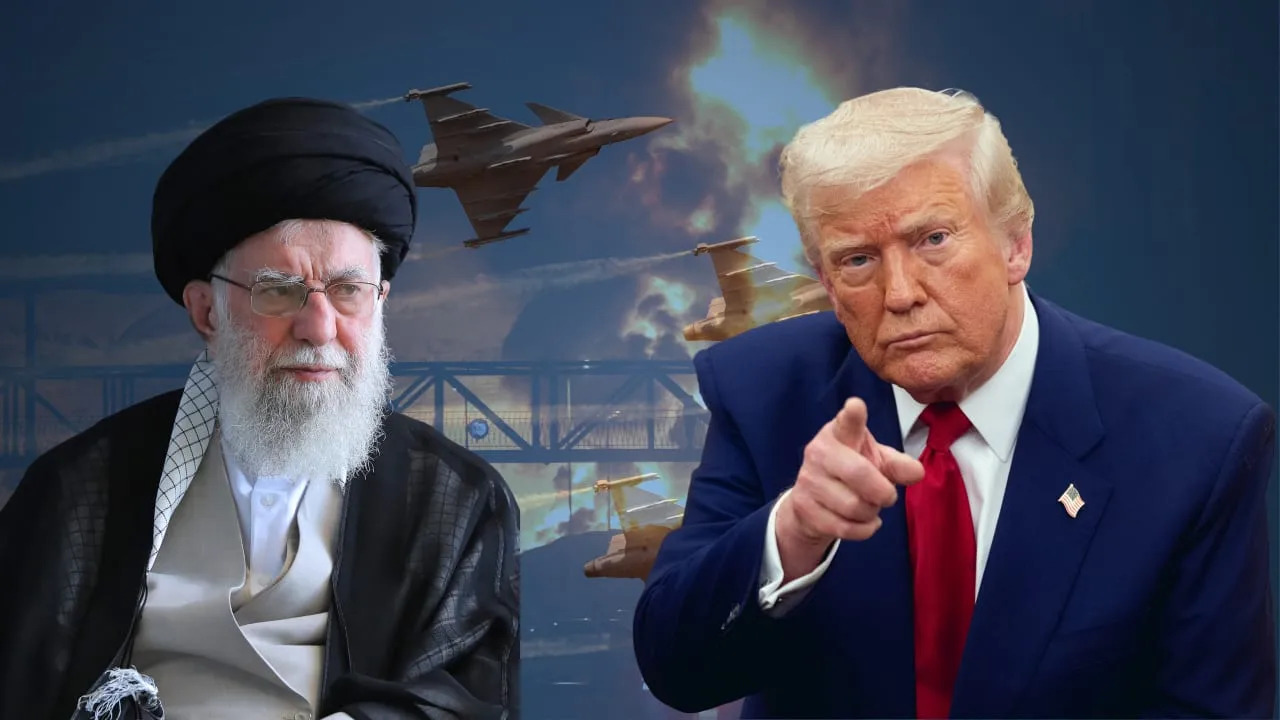
Trump Sets 10-Day Deadline for Iran Nuclear Deal, Warns of Military Action
Iran has 10 days – President Donald Trump has issued a stark ultimatum to Iran, stating that the world will know within the next ten days whether the United States will secure a negotiated deal regarding Tehran’s nuclear program or be forced to take military action.
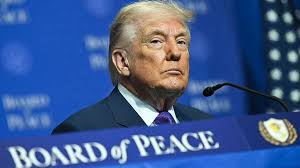
Speaking at the inaugural meeting of his newly formed “Board of Peace” in Washington D.C., Trump emphasized the urgency of the situation.
“We have to make a meaningful deal; otherwise, bad things happen,” the President told attendees, setting a rough timeline of “the next, probably, 10 days” for a decision.
The comments mark a significant escalation in rhetoric, as diplomatic efforts and military posturing intensify simultaneously in the region.
Conflicting Signals: Diplomacy and Military Build-Up
The President’s warning comes against a backdrop of conflicting signals. While Trump noted that Special Envoys Steve Witkoff and Jared Kushner have held “some very good meetings” with Iranian representatives in Switzerland, the U.S. has simultaneously surged military forces to the Middle East.
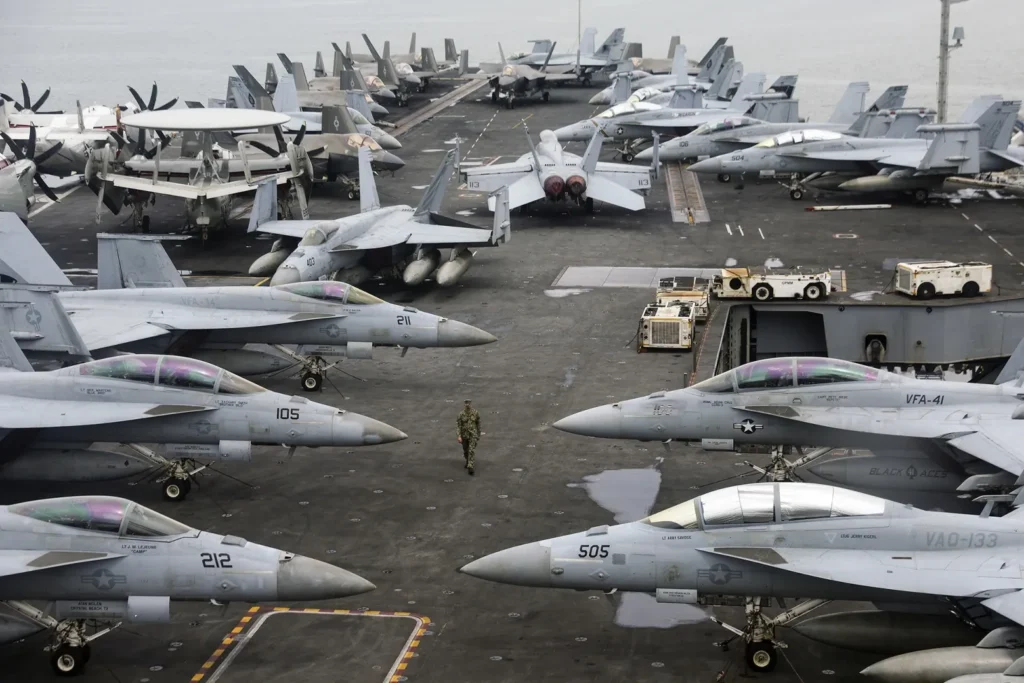
White House Press Secretary Karoline Leavitt reiterated the administration’s preference for a diplomatic solution, stating that Iran would be “very wise” to strike a deal. However, the military build-up, including the deployment of the USS Abraham Lincoln aircraft carrier strike group, suggests a readiness for alternative outcomes.
This is not the first time the U.S. has resorted to force. In June of last year, American missiles and aircraft struck three Iranian nuclear facilities. Reports indicate the White House has been reviewing new attack options this week.
Iran’s Warning to the UN
Iran has formally warned the United Nations that it will consider U.S. bases in the region legitimate targets if they are used to launch an attack
In a letter to UN Secretary-General António Guterres, Iran’s UN mission stated that President Trump’s rhetoric signals a “real risk” of an attack but emphasized that Tehran “does not want a war.” The letter serves as a legal and diplomatic warning should the conflict widen.
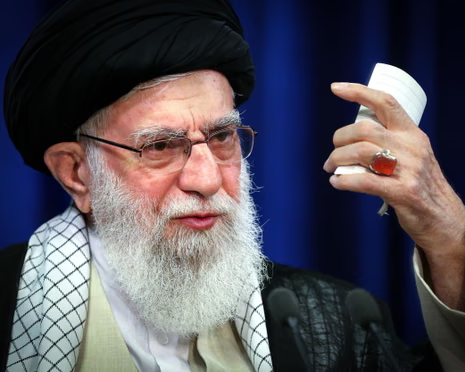
Iran’s Supreme Leader, Ayatollah Ali Khamenei, has also taken to social media to threaten U.S. forces. Referring to the American naval deployment, one post read:
“A warship is a dangerous piece of military hardware. However, more dangerous than that warship is the weapon that can send that warship to the bottom of the sea.”
Satellite imagery confirms that Iran has been reinforcing its own military facilities in anticipation of potential strikes.
Congressional Opposition and War Powers
President Trump’s threat of military action has sparked immediate bipartisan concern. Consequently, lawmakers have cited the 1973 War Powers Act. Specifically, the act ensures the President cannot commit forces without Congress’s consent.
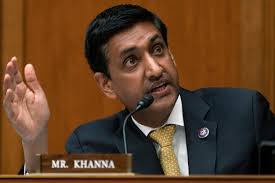
Meanwhile, two representatives have announced plans to force a vote. Democratic Rep. Ro Khanna and Republican Rep. Thomas Massie will lead the effort.
“A war with Iran would be catastrophic,” Khanna posted online. He noted Iran has significant air defenses and capabilities. Moreover, he warned thousands of U.S. troops “could be at risk.”
However, the path for this legislation remains difficult. For example, Senate Republicans blocked a similar resolution in January. That resolution aimed to limit military action in Venezuela. Ultimately, this highlights the challenge lawmakers face in reining in executive powers.
The UK’s Stance and the ‘Board of Peace’
International support for potential U.S. action appears uncertain. The British government has not granted the U.S. permission to use UK military bases for any potential strikes on Iran, according to a report from the BBC.
These bases include RAF Fairford in Gloucestershire and the Diego Garcia facility in the Indian Ocean. The U.S. has used both locations in previous Middle East operations.
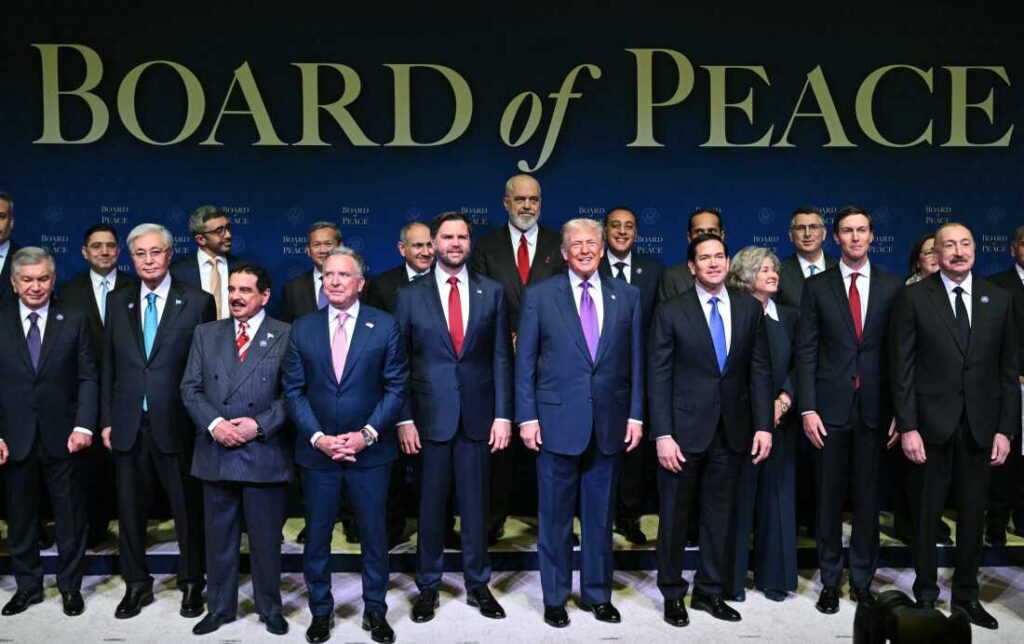
Meanwhile, the situation adds a new dimension to President Trump’s newly announced “Board of Peace.”
The president initially conceived the board to help end the war between Israel and Hamas in Gaza and oversee reconstruction. However, the board’s mission now appears to be expanding.
Trump chairs the board, which comprises roughly two dozen countries. Observers now speculate whether the board is intended to address the widening regional conflict or potentially sideline the United Nations in peacekeeping efforts.
As the 10-day window begins, the world watches to see whether diplomacy will prevail. Many also wonder if the “bad things” the President warned of will come to pass

