


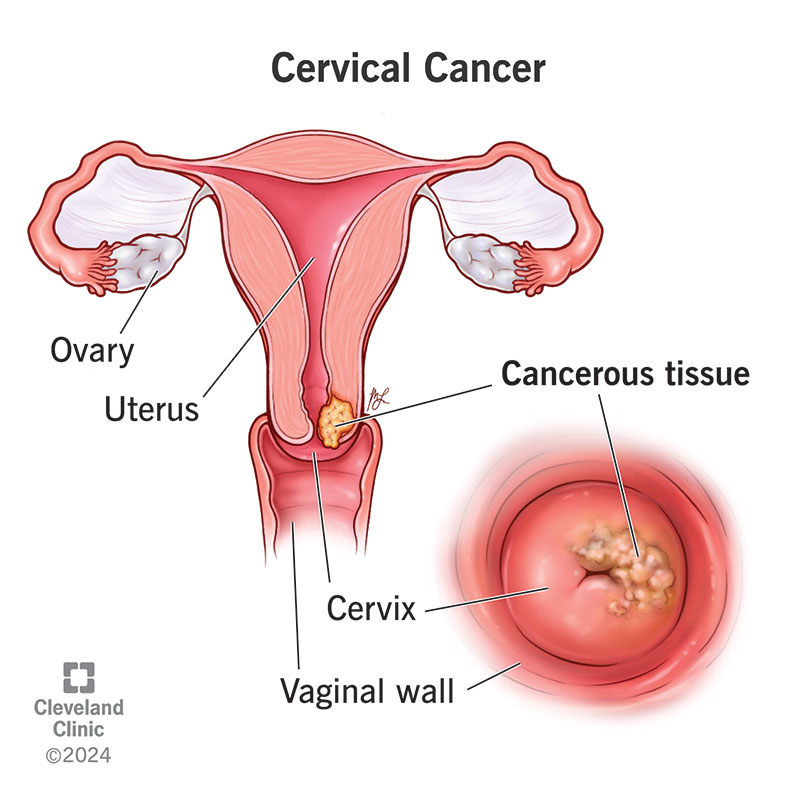
Low Vaccination and Poor Screening Fuel Ghana’s Cervical Cancer Crisis, Expert Warns
A leading gynaecologist at Komfo Anokye Teaching Hospital (KATH), Dr. Aisha Ali Issaka, has raised a critical alarm on cervical cancer rise.
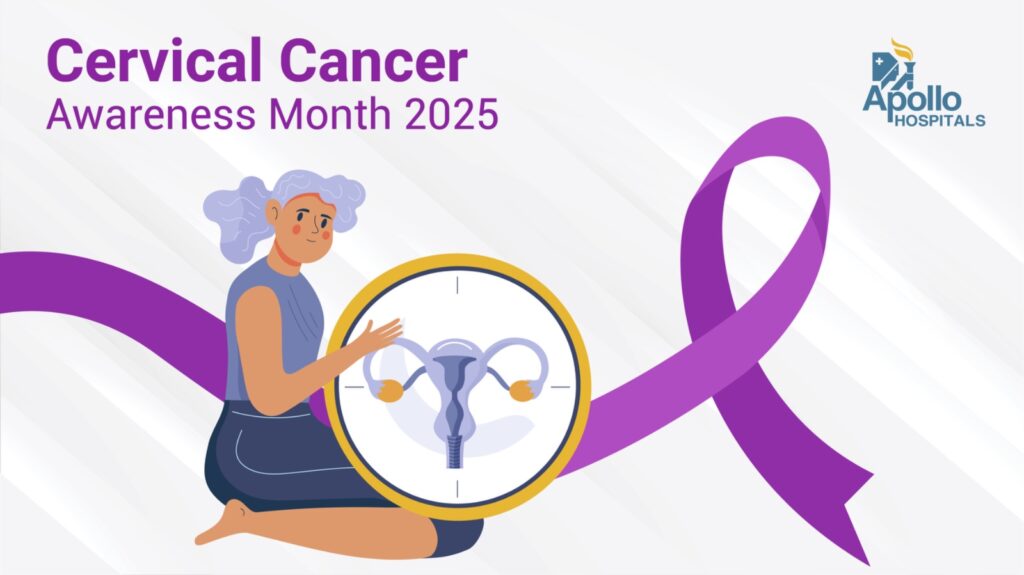
Low public uptake of vaccination and screening, she states, directly fuels Ghana’s growing cervical cancer burden.
In a recent interview, Dr. Ali Issaka highlighted a troubling paradox.
“Cervical cancer is one of the most preventable female cancers, yet preventable cases still claim lives across the country.”
The Power of Prevention Meets Low Uptake
Medical science offers two powerful shields against cervical cancer:
the Human Papillomavirus (HPV) vaccine and regular screening.
Dr. Ali Issaka confirms these interventions can drastically reduce cases. However, public adoption remains disappointingly low.
This failure to prevent and detect early has dire consequences. “Poor screening means many women report to health facilities only at an advanced stage,” Dr. Ali Issaka explains.
“This makes treatment very difficult and survival rates low.”
She stresses that cervical cancer develops slowly, often over years. A woman might harbour repeated HPV infections from her teens before any cell changes begin.
“This long process gives us a wide window for early detection and easy treatment,” she notes.
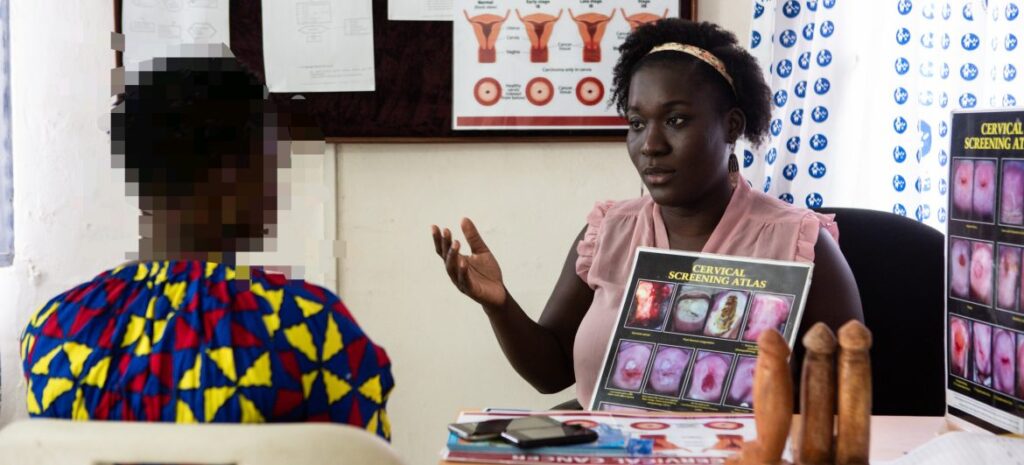
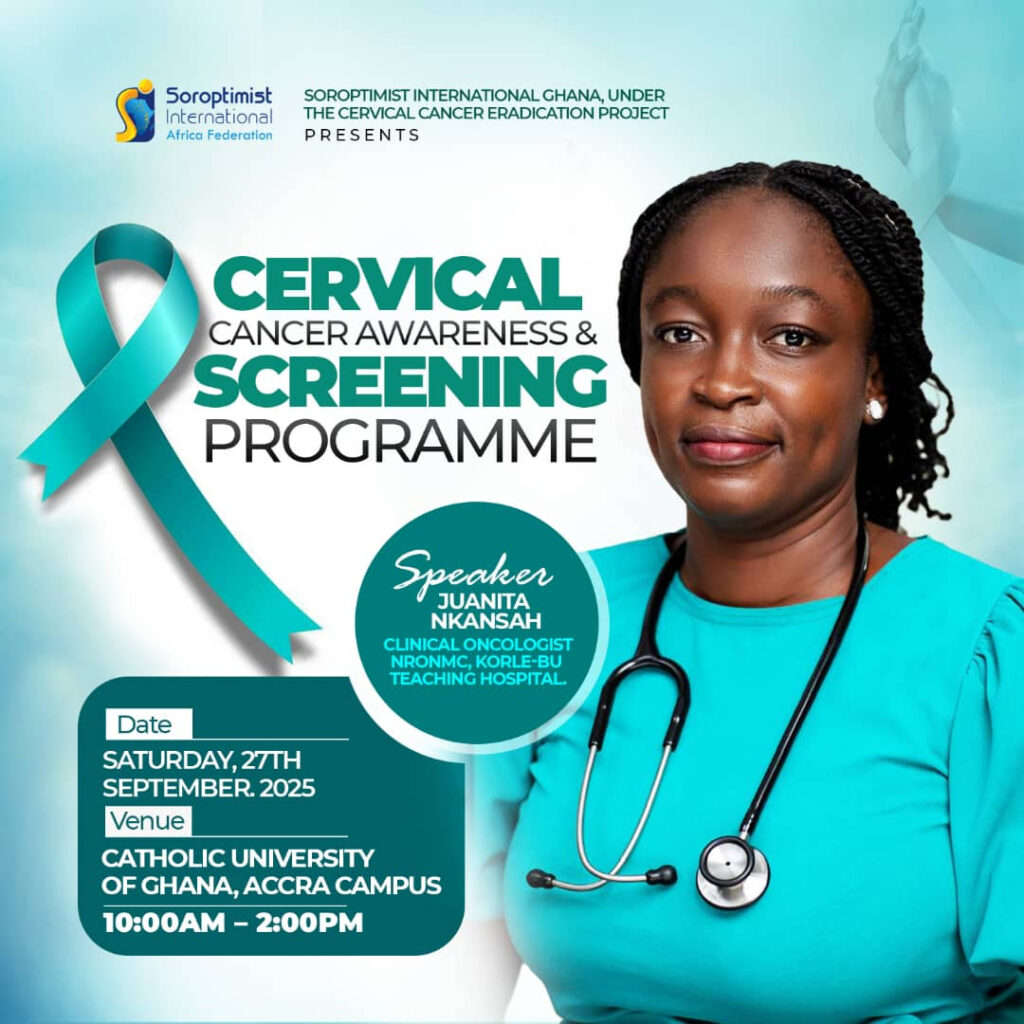
“Despite the availability of screening services at district, regional, and even some CHPS compounds, Ghanaians do not use them enough. “Screening is available but the uptake is very low,”
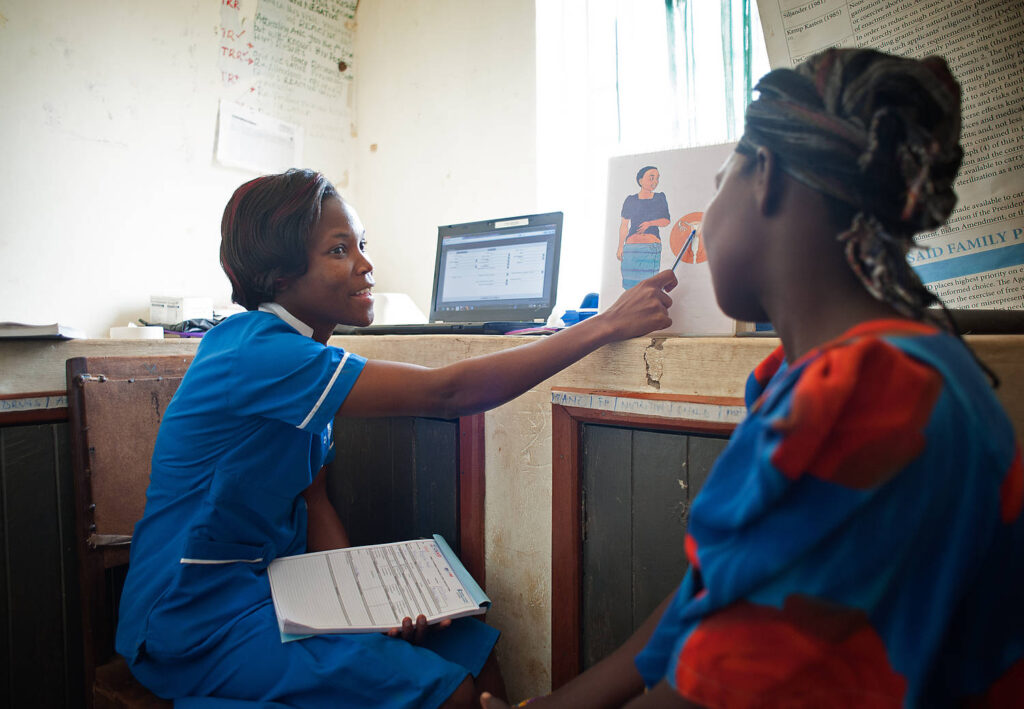
Dr. Ali Issaka lamented. She calls for intensified public education to make people appreciate the disease’s seriousness.
How Screening Works to Save Lives
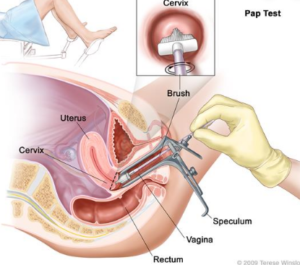
Dr. Ali Issaka outlines the common screening methods: the HPV DNA test, the Pap test (cytology), or a combination of both. A Pap test collects cervical cells to check for abnormalities.
A negative result means a woman can wait three years before her next test. A positive result triggers further follow-up tests. This simple process allows health professionals to catch and treat pre-cancerous changes long before cancer develops.
The Grave Danger of Delay
“Ignoring prevention carries severe risks”.
Dr. Ali Issaka warns that advanced cervical cancer can lead to horrific complications, including blood clots, tumours that close the vagina, and spread to other organs like the brain. HPV also links to cancers of the vulva, throat, and penis.
“This makes prevention and early detection absolutely critical,” she emphasizes.
Vaccination: A National Shield with Gaps
Dr. Ali Issaka, who also serves as President of the Muslim Medical Association of Ghana, welcomes Ghana’s introduction of the HPV vaccine into the routine immunisation programme for girls aged 9-14, which started last October.
But she identifies gaps. Public awareness needs a significant boost. Furthermore, she advocates extending protection to boys.
“The virus is present in both men and women. Protecting boys is equally important in breaking the chain of transmission,” she asserts.
She also clarifies that the vaccine benefits women over 35, encouraging more adult women to get vaccinated.
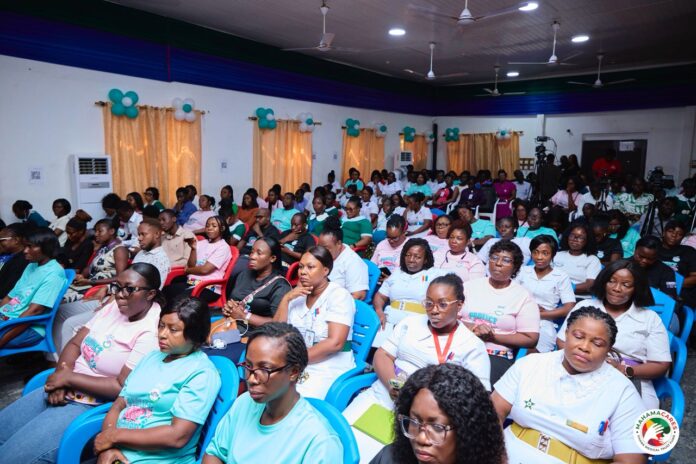
Know the Risks and Heed the Symptoms
Dr. Ali Issaka lists key risk factors: unsafe sexual practices, multiple sexual partners, and smoking. Crucially, symptoms often appear only after the disease advances.
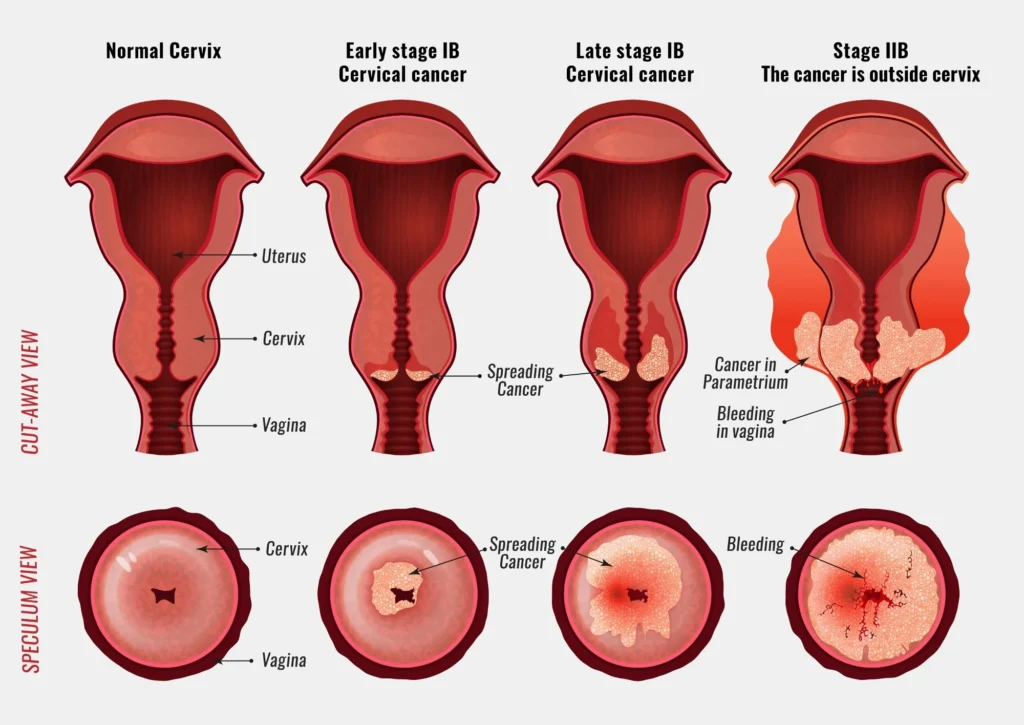
She urges every woman to never ignore these red flags:
-
Abnormal vaginal bleeding
-
Bleeding outside the menstrual period
-
Offensive vaginal discharge
-
Bleeding during or after sexual intercourse
The message from Dr. Aisha Ali Issaka is clear and urgent.
Ghana possesses the tools—vaccination and screening—to dramatically curb cervical cancer.
Overcoming low uptake through education and accessible services is the next vital step toward saving countless lives.

