


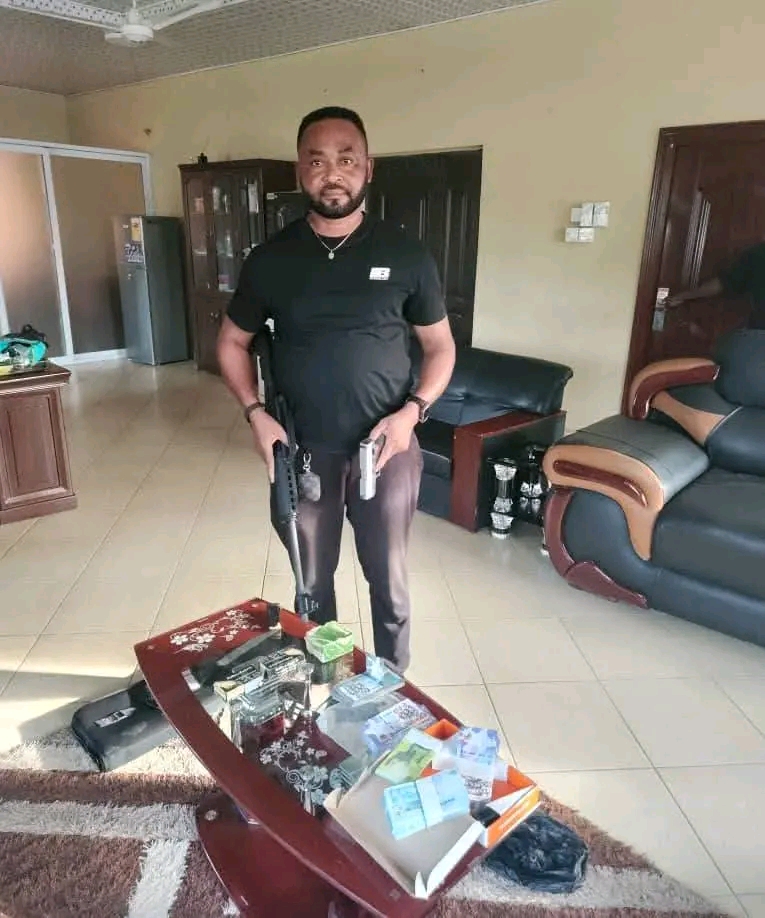
A Ghana Armed Forces Warrant Officer has been arrested for supplying sophisticated weapons to criminal gangs in the Ashanti Region following an undercover sting operation.
Ghana Army Officer Arrested in Major Sting Operation for Allegedly Supplying Weapons to Criminals
A Warrant Officer from the Fourth Infantry Battalion of the Ghana Armed Forces has been apprehended for allegedly running a sophisticated weapons pipeline to criminal networks.
The arrested individual is WO II David Kofi Brew, who was taken into custody in the Ashanti Region. This arrest marks a critical development in the fight against armed crime
This incident raises urgent questions about security protocols and the illicit arms trade within the region.
Undercover Operation Leads to Dramatic Capture
According to detailed reports, the arrest was the direct result of a meticulously planned undercover investigation.
Specifically, plain-clothed officers posed as interested buyers to infiltrate the alleged operation.
Subsequently, after establishing contact, the suspect arranged a meeting at the Bekwai shell filling station, believing he was finalizing a major sale.
The Sting: An Exchange of Weapons for Cash
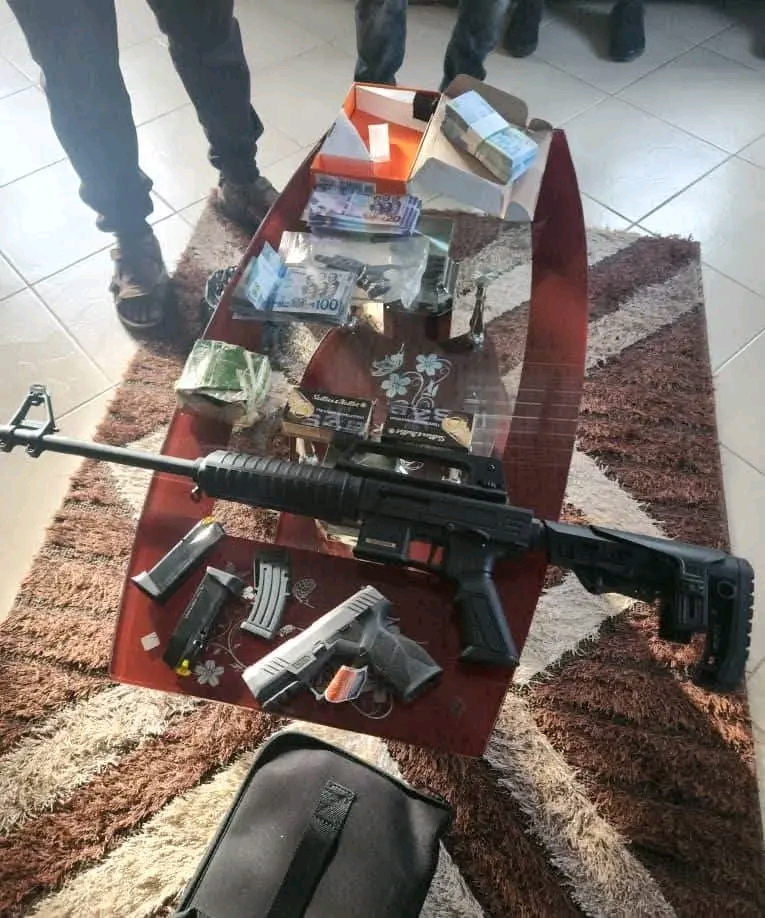
The operation culminated at the agreed location. At that moment, WO II Brew was reportedly in the active process of handing over a cache of sophisticated weapons to the undercover agents for GH¢80,000.
Immediately, officers moved in to apprehend him. Following his arrest, authorities took possession of the weapons, thereby preventing them from reaching the streets.
Confession and Ongoing Manhunt
During subsequent interrogation, the suspect made a crucial admission. He confessed that he regularly sold weapons to individuals in and around the mining hub of Obuasi.
As a result, investigators have now intensified their efforts. Presently, a widespread hunt is underway for his accomplices, who are believed to be part of criminal gangs terrorizing residents across the Ashanti Region.
The Pressing Question: Where Are the Weapons Coming From?
This alarming case inevitably leads to a pressing institutional and security question: Where could he be getting the weapons from?
Ultimately, the involvement of a serving military officer suggests the possibility of a breach in armory controls or a diversion of state-owned weapons.
Therefore, this arrest must trigger a thorough internal audit within the security apparatus. Furthermore, a comprehensive probe is essential to dismantle the entire supply chain, from source to street.

