


More than half of the 48 teams in the 2026 World Cup face massive losses.

This is because FIFA failed to secure a tax exemption from the United States. Smaller countries like Curaçao and Cape Verde will be hit the hardest.
Both are making their World Cup debut.
FIFA’s Previous Success in Qatar
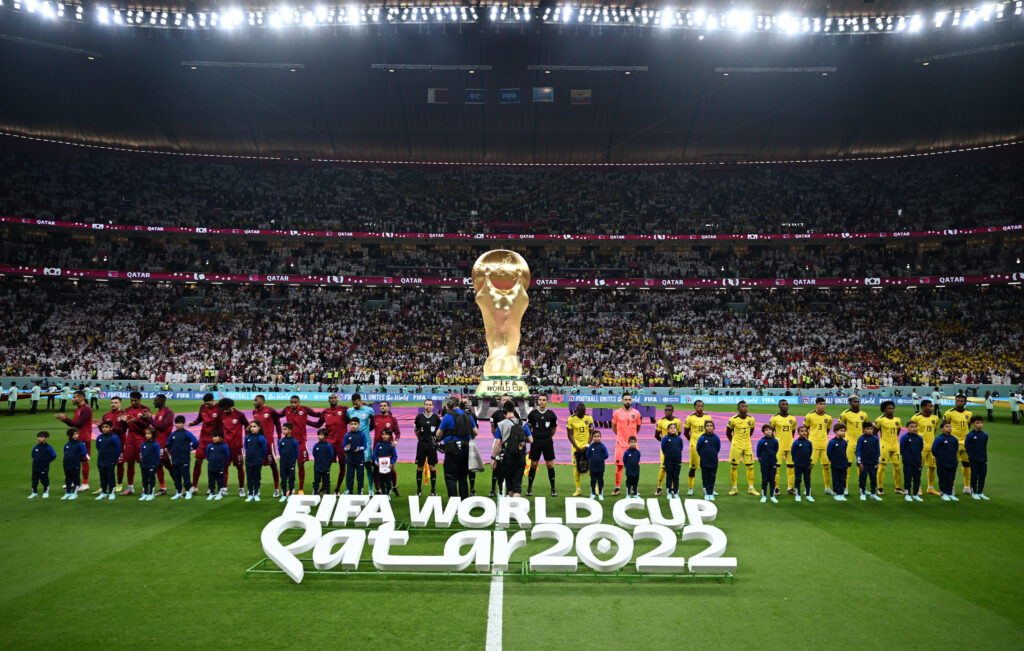
During the last World Cup in 2022, FIFA secured a tax exemption from Qatar. That allowed all 32 teams to play without paying any taxes. However, no such arrangement exists with the USA this time.
FIFA has enjoyed a tax-free status in the US since 1994. But these exemptions do not apply to the participating nations directly.
18 Countries Already Protected
Fortunately, 18 countries already have double taxation agreements (DTAs) with the US. Most of these countries are from Europe. Their delegations are forbidden from paying taxes in the US.
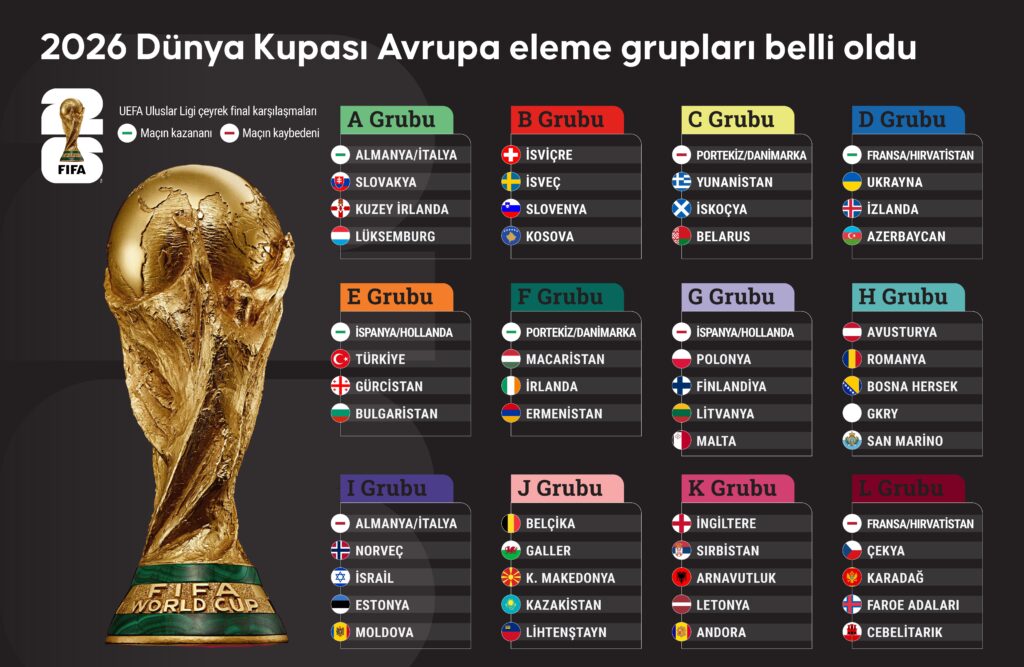
Besides European nations, Australia, Egypt, Morocco, and South Africa have also signed DTAs. Therefore, these countries are protected from US federal taxes.
Smaller Countries Face Heavy Losses
However, smaller countries without DTAs will incur heavy losses. They must pay federal, state, and city taxes on their World Cup earnings. This creates a huge financial burden for developing football nations.
How Taxes Apply to Teams and Players
Under the DTA, coaches and support staff are exempt from paying taxes on their earnings. Nevertheless, players must pay taxes if they play in the US. The US federal corporate tax rate stands at 21%. Meanwhile, individuals like players and coaches may be taxed as high as 37%.
Expert Warns of Massive Discrepancy
Tax consultant Oriana Morrison has worked with Portuguese and Brazilian federations. She explained the situation to The Guardian.
“The teams from advanced jurisdictions with a US tax treaty will have much lower costs,” Morrison said. “England and Spain are good examples.”
She added, “Smaller countries like Curaçao and Haiti will be penalised with massive US tax bills.”
Morrison emphasized that this money could have developed their local football industries. “Instead, it’s going to stay in the US,” she said.
“There’s a huge discrepancy. It will cost most non-European countries a lot of money.”
Mexico and Canada Offer Exemptions
Interestingly, co-hosts Mexico and Canada have granted tax exemptions to all teams. Therefore, teams playing matches in those countries may benefit from lower tax obligations.
Ghana and 29 Other Nations at Risk
Ghana and 29 other qualified nations face a significant financial setback. The concern stems from FIFA’s failure to secure a blanket tax exemption. This decision adds fresh pressure on national associations like the Ghana Football Association (GFA).
Preparations for the tournament are already stretching budgets. Now the GFA could lose a portion of its tournament earnings to taxes.
A Clear Imbalance Between Nations
This creates a clear imbalance among participating nations. England and France will likely retain more of their earnings. Meanwhile, countries without DTAs will see significant deductions.
The 2026 World Cup presents unequal financial risks. Smaller nations making their debut face the biggest challenges. Without tax exemptions, their dreams could come with a heavy price tag. For now, affected countries must plan their budgets carefully while hoping for a last-minute solution.

