

Ghana’s New Customs Deal Raises Alarms: Who Really Pays for “Free” Digital Tracking?
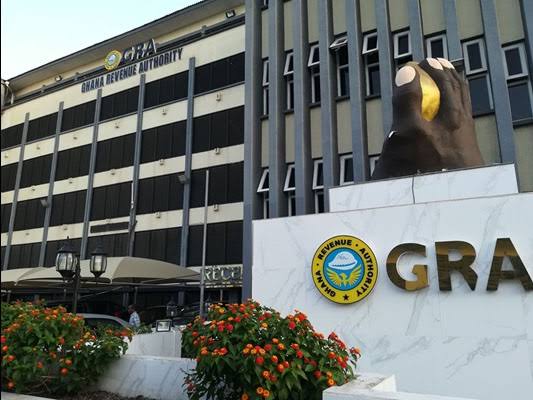
A recently approved agreement between the Ghana Revenue Authority (GRA) and a little-known offshore company is sparking intense debate and calls for transparency.
The Traders Advocacy Group Ghana (TAGG) has raised urgent red flags over a parliamentary-approved deal with TRUEDARE INVESTMENTS LIMITED for a new digital customs tracking and AI audit system.
Notably, this system is proposed to supplement the existing Integrated Customs Management System (ICUMS) at “no additional cost to the state.”
However, TAGG’s investigation reveals a web of concerns about the vendor’s credibility, hidden costs, and the potential duplication of an already functional platform, prompting a fierce demand for full disclosure before any implementation proceeds.
Scrutinizing the New Vendor: A Company with No Track Record
Firstly, TAGG’s review of corporate records uncovers troubling details about TRUEDARE. Incorporated in Cyprus barely a year ago in December 2024, the company lists general trade as its business object—not specialized customs IT, AI, or digital inspection services.
Moreover, with a share capital of only EUR 1,545 and no public evidence of experience in large-scale customs systems, serious questions arise. Consequently, critics argue that entrusting a critical national digital mandate to such a newly formed, minimally capitalized offshore entity is a significant risk without full transparency regarding its technical capacity and beneficial ownership.
The Myth of “No Cost” and the Risk of Duplication
Furthermore, the assertion of “no additional cost to the state” is viewed as highly misleading. In trade facilitation, costs are invariably borne by someone. TAGG urgently questions whether new fees will be levied on consignments, containers, or transactions, which would ultimately be passed onto importers, transporters, and Ghanaian consumers through higher prices.
Additionally, the rationale for introducing a parallel system is deeply contested. ICUMS, implemented in 2020, is Ghana’s internationally recognized single-window platform, already equipped with risk management, audit, and cargo tracking modules and credited with significant revenue growth.
Instead of openly strengthening ICUMS with needed AI upgrades, the government has vaguely cited limitations and rushed to a new vendor, thereby risking complexity, confusion, and unnecessary additional burdens for traders.
Demands for Transparency and Accountability
In response to these opaque proceedings, TAGG has issued clear demands. Primarily, they call for the full publication of the GRA-TRUEDARE contract and its financial model.
Subsequently, they urge an independent technical and value-for-money review to assess real gaps in ICUMS and TRUEDARE’s suitability compared to alternatives. Importantly, they insist on a complete clarification of the payment model and any new fees, followed by a moratorium on all implementation until these transparency conditions are met.
Conclusion: No “Father Christmas” in Customs
Ultimately, TAGG stresses that there is no “Father Christmas” in customs administration—someone always pays. The group advocates for technological advancement but firmly opposes opaque contracts and hidden cost transfers that erode hard-won trade reforms.
As this controversy unfolds, the call for the government to prioritize full transparency and genuine stakeholder consultation grows louder, ensuring that any system change truly benefits Ghana’s revenue mobilization without imposing hidden burdens on businesses and consumers.

