


West Africa Travel Ban: Mali and Burkina Faso Bar US Citizens in Reciprocal Move
In a direct tit-for-tat response, the governments of Mali and Burkina Faso have officially imposed a West Africa travel ban on United States citizens.

This decisive action directly mirrors the recent expansion of the US travel restrictions under the Trump administration which placed both nations under full entry limitations.
The Principle of Reciprocity Drives the Decision
Mali and Burkina Faso clearly articulated their rationale in separate statements. Specifically, they framed their decision as a necessary application of the principle of reciprocity.
Burkina Faso’s Foreign Affairs Minister, Karamoko Jean-Marie Traoré, explicitly stated his government was acting on this foundation.
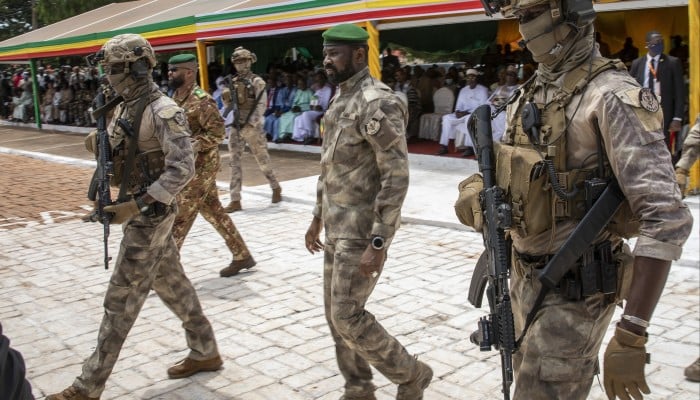
Similarly, Mali’s foreign ministry underscored the need for “mutual respect and sovereign equality.” Consequently, this West Africa travel ban applies identical measures to US nationals as those now faced by their own citizens seeking entry to the United States.
A Growing Regional Bloc Takes Coordinated Action
Significantly, this development follows a reported yet unconfirmed West Africa travel ban from Niger, suggesting a coordinated stance.

Currently, all three nations are ruled by military juntas that seized power via coups. Furthermore, they have formed their own regional bloc and have notably pivoted towards Russia amid strained relations with traditional Western partners and neighboring West African states.
The Catalyst: Expansion of US Travel Restrictions
The immediate catalyst for this diplomatic friction was a White House announcement earlier this month. The administration declared it would impose full-entry restrictions on travelers from Mali, Burkina Faso, and Niger, alongside several other nations.
Officials stated these measures, effective January 1st, aim to “protect the security” of the US. They additionally moved Laos and Sierra Leone to the full ban list and applied partial restrictions to 15 other countries.

The US stipulated that these restrictions will remain until affected nations demonstrate “credible improvements” in areas like identity management and cooperation with US immigration authorities.
However, the policy includes exceptions for groups such as lawful permanent residents and diplomats, and allows for case-by-case waivers.
A Diplomatic Stance with Clear Exceptions
Ultimately, Mali and Burkina Faso’s imposition of this West Africa travel ban represents a firm diplomatic stance of reciprocal action.
While the ban targets ordinary travel, it deliberately mirrors the scope and limitations of the US policy, emphasizing a demand for equal treatment in international relations.

